Thinking about buying in Denver’s Country Club neighborhood? This is one of the city’s most established historic districts, and that means your decision involves more than price, layout, and location. If you want a home that fits your lifestyle and your long-term plans, it helps to understand how the neighborhood’s history, design rules, and lot patterns shape what ownership looks like here. Let’s dive in.
Why Country Club stands out
Country Club is not just a recognizable Denver neighborhood. It is a designated local landmark district with a defined period of significance from 1902 to 1945, and it includes 380 residences in an L-shaped area near the Denver Country Club. According to the City and County of Denver design guidelines, the district was developed in tandem with the country club and remains closely tied to that early planning vision.
That historic identity still shows up in daily life. The neighborhood’s landscaped parkways, setbacks, and open front yards were intentionally designed to create a park-like setting, not just a collection of houses. The Denver Public Library’s historical overview also notes the area’s significance as an early 20th-century residential district with many homes designed by prominent Denver architects.
What buyers should expect architecturally
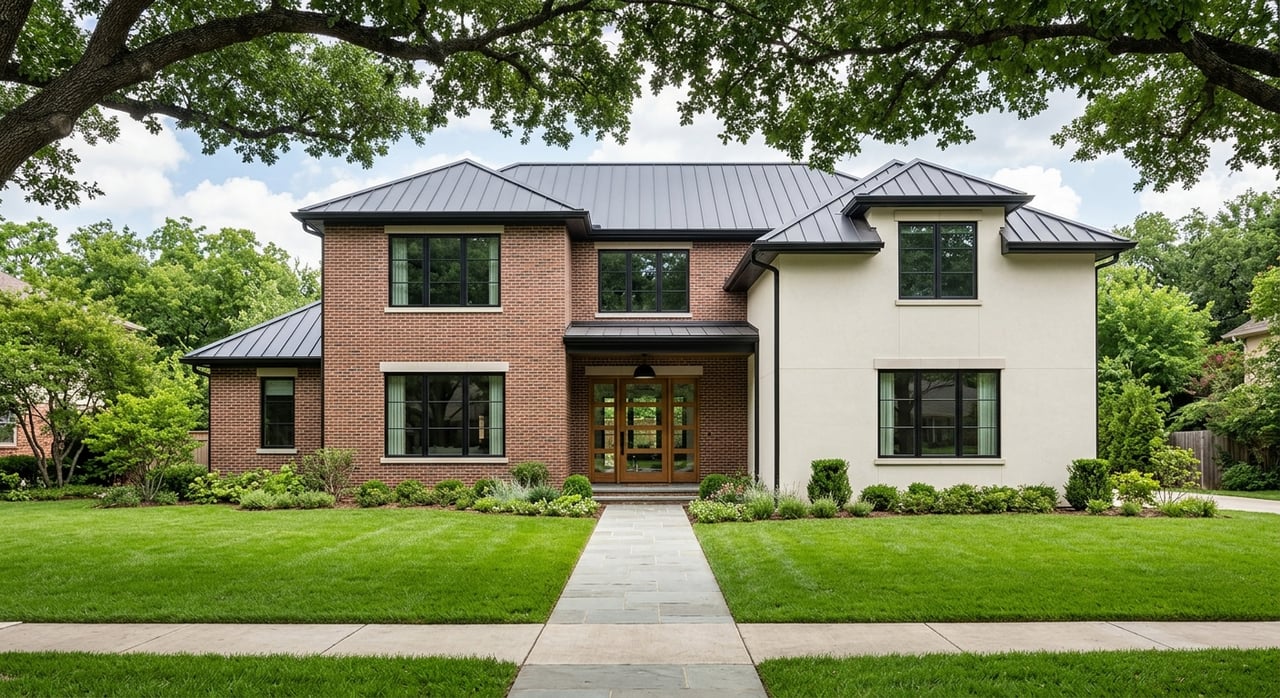
If you are drawn to Country Club, you are likely responding to its architectural consistency and quality. Most historic homes here are Denver Squares or eclectic revival houses, with Colonial and Mediterranean styles especially common. The district guidelines describe homes that are typically 1.5 to 2 stories, with brick or stucco walls, steep hip or gable roofs, and vertically proportioned windows.
The overall look is refined rather than flashy. As the Country Club Historic Neighborhood design guidance explains, visual interest often comes from porches, entries, masonry details, and rooflines. Even larger homes are expected to maintain a human-scale feel.
Lot size varies more than many buyers expect
One of the biggest misconceptions about Country Club is that every property follows the same formula. In reality, the neighborhood includes four subdistricts, each with a different streetscape pattern and lot rhythm. That matters when you compare homes or think about future updates.
According to Denver’s district guidelines, Park Club Place generally has smaller 50-foot-wide lots and homes that sit closer together. Other areas can include lots that range from 75 feet wide to a quarter block or more, with front setbacks often between 20 and 30 feet or more and side setbacks frequently between 20 and 40 feet. Historic lot coverage has generally ranged from 18 to 30 percent, with floor area ratios around .20 to .40.
In practical terms, there is no single “standard” lot size for Country Club. What matters more is whether the house still reads as part of the district’s spacious, low-coverage, landscaped pattern. That can become especially important if you are considering an addition, garage change, or exterior redesign.
Understand the four subdistrict patterns
Because block-to-block conditions can shift, it is smart to evaluate a property in its immediate context rather than relying on assumptions about the neighborhood as a whole.
Park Club Place
This area tends to have smaller lots and houses that sit closer together. You may still find the same historic character, but the spacing and scale can feel different from the larger-lot portions of the district.
Country Club Place
This section is known for larger lots, wider setbacks, and generous parkways. If you are looking for the broad, open streetscape many buyers associate with Country Club, this subdistrict often reflects that image clearly.
Country Club Annex
This area combines a more traditional streetscape pattern with large lots. It can appeal to buyers who want historic character and a strong sense of spatial openness.
New Country Club
Also known historically as Park Lane Square, this section has curving streets, broad lawns, and no sidewalks. That layout creates a different visual rhythm from the more formal street grid found elsewhere in the district.
Historic district rules can affect your plans
For many buyers, the most important consideration is not the home as it sits today. It is what you hope to do with it after closing. In Country Club, that question deserves attention early.
Because the neighborhood is a local landmark district, exterior work that requires a building, zoning, or other permit must be reviewed and approved before a permit is issued. Denver’s Landmark Preservation design review process for additions explains that additions and infill in a historic district require a certificate of appropriateness before building and zoning permits move forward.
This does not mean improvements are off the table. It does mean timing, design strategy, and approval pathways should be part of your buying decision.
What tends to matter in design review
If you are considering renovations, Country Club’s guidelines favor changes that preserve the district’s established massing, setbacks, and open feel. Rear or side additions that are set back from the front of the house are generally preferred over prominent front-facing changes.
Garages are also handled carefully. The district guidelines favor subordinate garages, minimal curb cuts, and rear or alley access when available. Open front yards are considered part of the neighborhood character, so site changes that reduce that visual openness may face more scrutiny.
Materials matter too. Denver states that vinyl windows and doors are not allowed in historic districts, and the district emphasizes durable materials such as brick, stucco, slate, asphalt, and tile. Roof forms, fence height, tree lawns, detached sidewalks, and side-yard openness can all play a role in whether a proposal aligns with the district standards.
Side yards deserve extra attention
In many Denver neighborhoods, buyers focus first on backyard potential. In Country Club, side yards can be just as important. The district guidelines specifically note that side yards are a major part of the neighborhood’s spacious character.
That means a home with room to expand on paper may not be a simple candidate for more square footage in practice. Even if zoning permits a certain amount of build-out, the landmark review process may evaluate whether that change fits the historic pattern of open space between homes.
Smart due diligence before you write an offer
If you are serious about buying in Country Club, due diligence should go beyond a standard inspection. The right pre-offer research can help you avoid delays, budget surprises, or disappointment after closing.
Here are a few smart steps to take:
- Verify whether the property is contributing, non-contributing, or individually landmarked
- Request prior certificates of appropriateness, if applicable
- Review permit history for additions, roof work, garages, fences, and window or door replacements
- Ask whether any exterior work was completed with landmark approval when required
- Compare the home’s current massing, setbacks, and site features with nearby historic patterns
- If you plan renovations, consider a pre-application conversation with Landmark Preservation before closing
This kind of homework matters because design review requirements and potential tax-credit eligibility can depend on the property’s status and the type of work you plan.
Tax credits may create upside
For some buyers, historic ownership can come with a financial advantage. Denver notes that for owner-occupied, non-income-producing residential projects, Colorado historic preservation income tax credits may apply.
The current residential credit is 20 percent of qualified rehabilitation costs up to $50,000 over 10 years, increasing to $100,000 for projects completed in or after 2025. However, the work must be planned in advance, meet the Secretary of the Interior’s Standards, and not all project costs qualify. Landscaping, fences, retaining walls, permit fees, sewer work, and most cosmetic kitchen or bathroom finish work are among the items Denver identifies as non-qualifying.
Think long term about value and fit
When you buy in Country Club, you are buying into a preserved sense of place. The neighborhood’s appeal is closely tied to its architectural variety, spaciousness, and streetscape character. That helps explain why renovations that respect original massing, materials, and setbacks are often more aligned with what future buyers expect from the area.
This is not a guarantee about resale. It is a practical way to think about fit. If you want Country Club because of its historic identity and park-like setting, you will likely be best served by choosing a home, and planning updates, in a way that supports those same qualities.
Why local guidance matters
Country Club can be rewarding for buyers who appreciate architecture, scale, and long-term stewardship. It can also be more nuanced than a typical neighborhood search, especially if you are balancing design goals, relocation timing, or a future renovation plan.
Working with an advisor who understands premium Denver neighborhoods, historic housing stock, and project feasibility can make the process much smoother. If you are considering a purchase in Country Club and want a strategic, high-touch approach, connect with Michael Galansky for a concierge consultation.
FAQs
What makes Denver’s Country Club neighborhood different from other historic neighborhoods?
- Country Club stands out for its designated landmark district status, early 20th-century architecture, landscaped parkways, and a park-like pattern of setbacks, side yards, and open front lawns.
Do homes in Denver’s Country Club neighborhood all sit on large lots?
- No. Lot size and spacing vary by subdistrict, with some sections featuring smaller 50-foot lots and others including much larger parcels with broader setbacks and more open space.
Do renovations in Denver’s Country Club neighborhood need approval?
- Yes, exterior work that requires a building, zoning, or similar permit must be reviewed and approved through Denver’s landmark process before permits are issued.
Are certain materials restricted in Denver’s Country Club historic district?
- Yes. Denver does not allow vinyl windows and doors in historic districts, and the guidelines emphasize materials and forms that match the district’s historic character.
Can buyers in Denver’s Country Club neighborhood qualify for historic tax credits?
- Some owner-occupied residential rehabilitation projects may qualify for Colorado historic preservation income tax credits if the work is planned in advance and meets program standards.
What should buyers review before making an offer in Denver’s Country Club neighborhood?
- Buyers should verify landmark status, review prior approvals and permits, and assess whether any planned changes would fit the property’s historic context and design review requirements.