Thinking about living in Denver without relying on a car every day? In most neighborhoods, that idea takes planning. In LoDo, it can feel much more realistic because transit, trails, and daily conveniences sit close together. If you are wondering what car-free living in LoDo actually looks like, this guide will walk you through the lifestyle, the trade-offs, and what to look for in a home. Let’s dive in.
Why LoDo Works Without a Car
LoDo, or Lower Downtown, is a compact 21-block historic district next to Union Station. City planning materials describe it as an area filled with historic warehouses that now hold commercial, retail, and residential space. The district also includes nearly 100 restaurants, clubs, galleries, shops, and hospitality businesses, with public space centered around sidewalks and a few key open spaces.
That mix matters because it supports a daily routine built around walking. Instead of needing to drive from one destination to another, you can often step outside and reach coffee, dining, errands, and transit on foot. In practical terms, LoDo functions more like a dense urban district than a typical residential neighborhood.
Union Station Is the Mobility Hub
The biggest reason car-free living works in LoDo is Denver Union Station. RTD identifies Union Station as its intermodal hub, bringing together light rail, commuter rail, Amtrak, regional buses, taxis, shuttles, and bicycle and pedestrian access. The station complex includes an eight-track commuter rail station and a 22-bay underground bus facility.
For everyday living, that means you are not limited to one transit option. The Union Station Transit Center serves 14 bus routes and 7 rail lines, which gives you multiple ways to move through downtown and beyond. If you want flexibility without owning a car, that kind of access is a major advantage.
Airport Trips Are Simpler
One of the standout benefits for LoDo residents is the A Line. RTD says the A Line connects Denver Union Station to Denver International Airport and includes eight stations total. If you travel often for work or want an easier airport routine, living near Union Station can remove a lot of friction.
For busy professionals and frequent flyers, this can be one of LoDo’s strongest lifestyle features. You can walk to the station, board the train, and head to the airport without arranging parking or rides. That convenience is hard to match in many other Denver neighborhoods.
Downtown Errands Are Easy
LoDo also benefits from two free downtown transit options. RTD’s 16th Street FreeRide runs seven days a week between Union Station and Wade Blank Civic Center Station, with service every 4 to 12 minutes depending on the time of day. RTD’s Free MetroRide connects Union Station and Civic Center along 18th and 19th streets, with weekday peak service about every 10 minutes.
That service pattern helps widen your car-free range. A typical routine might include walking to Union Station, using the FreeRide for downtown stops, or taking MetroRide for quick trips through the central business district. For many residents, this turns a small walkable neighborhood into a larger connected downtown lifestyle.
Walking and Biking Extend Your Reach
Transit is only part of the story. LoDo also connects well to Denver’s trail network, which gives you more options for short trips, exercise, and weekend outings. If you prefer walking or biking instead of driving, these routes can make the neighborhood feel even more functional.
Denver Parks and Recreation notes that the South Platte Trail includes a downtown segment from 15th to 19th streets. The Cherry Creek Trail also stretches through 13 segments between Kennedy Golf Course and Confluence Park. For LoDo residents, those corridors are especially relevant because they support movement into and around the Central Platte Valley.
The River-Trail Network Adds Flexibility
Denver DOTI maintains a city bike map that identifies multi-use trail connections. Combined with the river-trail system, that gives you practical options for short bike trips instead of car trips. You may not use a bike for every errand, but having that option adds flexibility to a low-car routine.
The surrounding urban layout also helps. City planning materials place the Commons neighborhood between Union Station and the South Platte River, which means LoDo, Union Station, and the riverfront operate as one connected walk-bike-transit district. That connectivity is a big part of why living with less car dependence can work here.
What Day-to-Day Life Can Look Like
If you are trying to picture the lifestyle, think of LoDo as a neighborhood where many daily needs cluster close together. You can often walk to food, coffee, nightlife, and transit, then use trains, buses, or downtown shuttles to expand your range. That makes the area especially appealing if you want convenience and less time spent behind the wheel.
This does not mean every trip will be car-free. It means you may not need a car for the trips you make most often. For many people, that is the real value of LoDo: not eliminating every vehicle need, but reducing how often driving feels necessary.
Choosing the Right Home for Low-Car Living
Not every LoDo home supports the same routine. The neighborhood includes both historic loft conversions and newer buildings near the Union Station and Commons edge. If car-free or low-car living is a goal, the right fit often comes down to your priorities inside the building as much as your location on the map.
Historic Lofts Offer Character
LoDo’s housing identity is closely tied to warehouse and mercantile conversions. District materials highlight mills and warehouses that were transformed into residential lofts, while city planning documents note that many historic buildings have been adapted for residential use. These homes often appeal to buyers who want character, walkability, and a direct connection to the street life of the district.
If you are drawn to exposed brick, large windows, and historic details, this housing type may feel like the most authentic LoDo experience. At the same time, each building can differ significantly in layout, storage, and parking. It is smart to evaluate the property itself, not just the style.
Newer Buildings May Add Convenience
Newer construction is concentrated closer to Union Station and the Commons area. City planning materials describe the Commons as a former rail-yard area planned for large-scale office, commercial, retail, and residential uses. The city also notes that newer infill in LoDo is modern while still respecting the historic character of the district.
In practical terms, newer buildings may better match buyers who want updated systems and more contemporary amenity packages. If your version of low-car living includes secure bike storage, package handling, or easier building access, newer options may deserve a close look. Still, features vary by building, so it is important to verify details one property at a time.
Parking Is a Property Detail, Not a Given
Even if you want a mostly car-free lifestyle, you may still keep a vehicle for weekend trips or mountain travel. In LoDo, parking exists downtown, but it should not be treated as automatic. Denver’s parking division manages right-of-way parking, residential parking permits, and car-share programs, and there are also off-street garages and lots around LoDo and Union Station.
For buyers, the key takeaway is simple: parking is a building-specific feature, not a neighborhood guarantee. That is especially important when comparing historic lofts, where parking may be limited, with newer towers, where parking arrangements can still vary. If you own a car, ask clear questions early.
Ask About These Building Features
If you want a home that truly supports a low-car routine, look beyond square footage and finishes. Focus on the features that shape everyday convenience.
- Dedicated or leased parking options
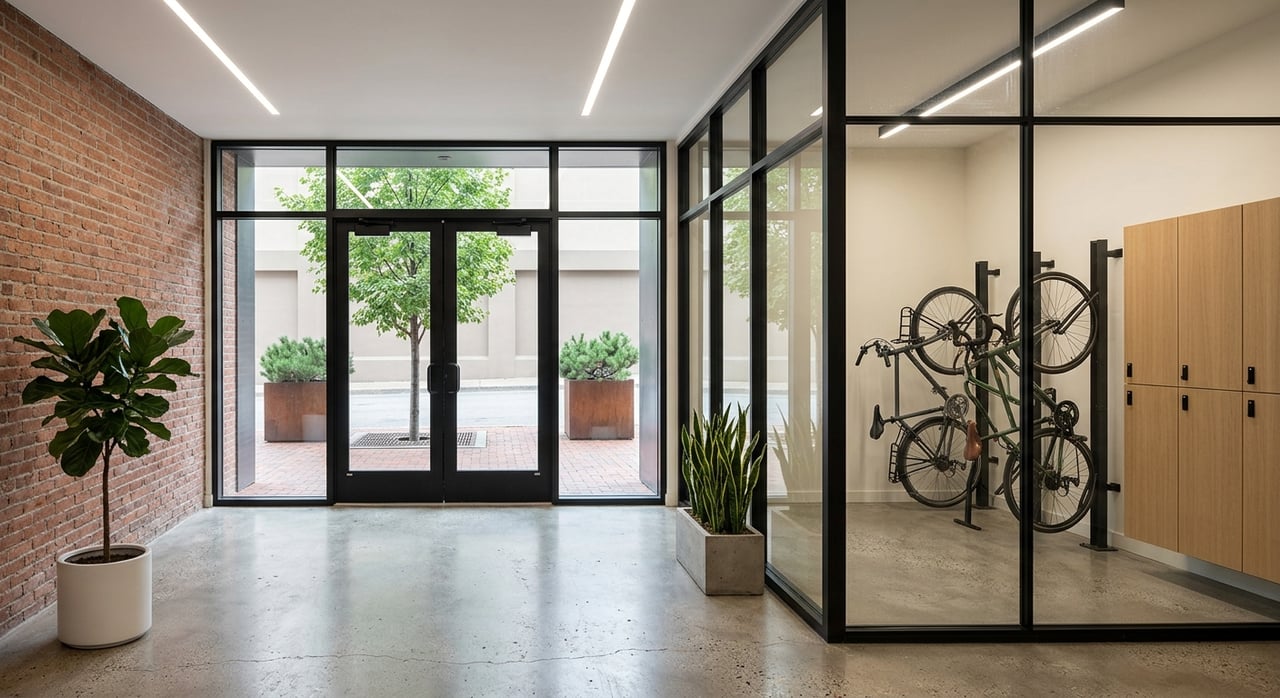
- Bike rooms or secure bike storage
- Private storage areas
- Package handling systems
- Building access and loading convenience
- Proximity to Union Station, trails, or shuttle routes
The Main Trade-Off Is Energy and Noise
LoDo’s convenience comes with a clear lifestyle trade-off. This is a lively district by design, with restaurants, bars, and clubs built into the neighborhood mix. If you want to walk to activity, you also need to expect that activity to be part of your environment.
Denver’s 2025 noise ordinance update keeps restrictions on overnight construction while allowing certain permitted public events to operate at higher levels, with a hard stop at 10 p.m. for those events. Along with general street activity and event traffic, that means some blocks may feel noticeably busier than others. LoDo is best described as energetic rather than quiet.
Visit at Different Times
If noise matters to you, do not rely on a daytime showing alone. A block that feels calm on a weekday afternoon may feel very different on a weekend evening or during a nearby event. Visiting at multiple times can give you a much clearer sense of fit.
This is one area where local guidance can make a real difference. A building’s orientation, street exposure, and exact location within LoDo can shape your experience just as much as the floor plan itself.
Is Car-Free Living in LoDo Right for You?
LoDo stands out because several pieces come together in one place. You have a compact historic district, dense mixed-use blocks, Union Station’s major transit connections, free downtown shuttles, and access to trail networks near the river. In Denver, that combination is unusual.
If you want a neighborhood where walking can cover many daily needs and transit can handle a meaningful share of the rest, LoDo deserves serious consideration. The right home, paired with the right block and building features, can support a lifestyle that feels flexible, connected, and less dependent on a car.
If you are weighing LoDo against other Denver neighborhoods, it helps to have advice tailored to how you actually live. Whether you are relocating, downsizing your driving routine, or looking for a property that matches an urban lifestyle, Michael Galansky can help you evaluate the details that matter most.
FAQs
Can you live in LoDo Denver without a car?
- Yes. LoDo is one of the few Denver neighborhoods where walkability, Union Station transit access, free downtown shuttles, and nearby trail connections make a largely car-free routine realistic for many residents.
How does Union Station support car-free living in LoDo?
- Union Station serves as RTD’s intermodal hub, with 14 bus routes, 7 rail lines, commuter rail, regional buses, Amtrak, shuttles, and bicycle and pedestrian access.
Can you take the train from LoDo to Denver International Airport?
- Yes. RTD’s A Line connects Denver Union Station to Denver International Airport, which makes airport travel much easier for LoDo residents.
Are LoDo condos and lofts good for low-car living?
- Many can be, but the fit depends on the specific building. Buyers should verify parking, storage, bike rooms, package handling, and access to transit or trails before deciding.
Is parking easy to find in LoDo Denver?
- Parking exists in and around LoDo, but it should be treated as a building-specific feature rather than something you can assume comes with every property.
Is LoDo a quiet neighborhood in Denver?
- LoDo is generally better described as energetic than quiet because of its mix of restaurants, bars, clubs, events, and typical downtown activity.