Wondering which home type makes the most sense in Cheesman Park? That is a smart question, because this neighborhood is not a one-note housing market. From historic detached homes to mid-rise condos and high-rise buildings with park views, Cheesman Park gives you very different ownership experiences depending on what matters most to you. If you want to balance character, maintenance, flexibility, and lifestyle, this guide will help you compare your options with more confidence. Let’s dive in.
Cheesman Park Has Real Variety
Cheesman Park sits within Denver’s East Central area, a part of the city known for its mix of building types, homes, businesses, parks, and historic landmarks. That layered feel is one of the neighborhood’s biggest draws. You are not choosing from one standard product here.
The neighborhood is anchored by the 80.8-acre Cheesman parkland, and the Denver Botanic Gardens’ York Street campus sits just to the east with a west-side Cheesman Gate entrance. That setting shapes how people live here. In practical terms, your home choice often comes down to how much you value walkability, views, historic character, and hands-on ownership.
Historic Single-Family Homes
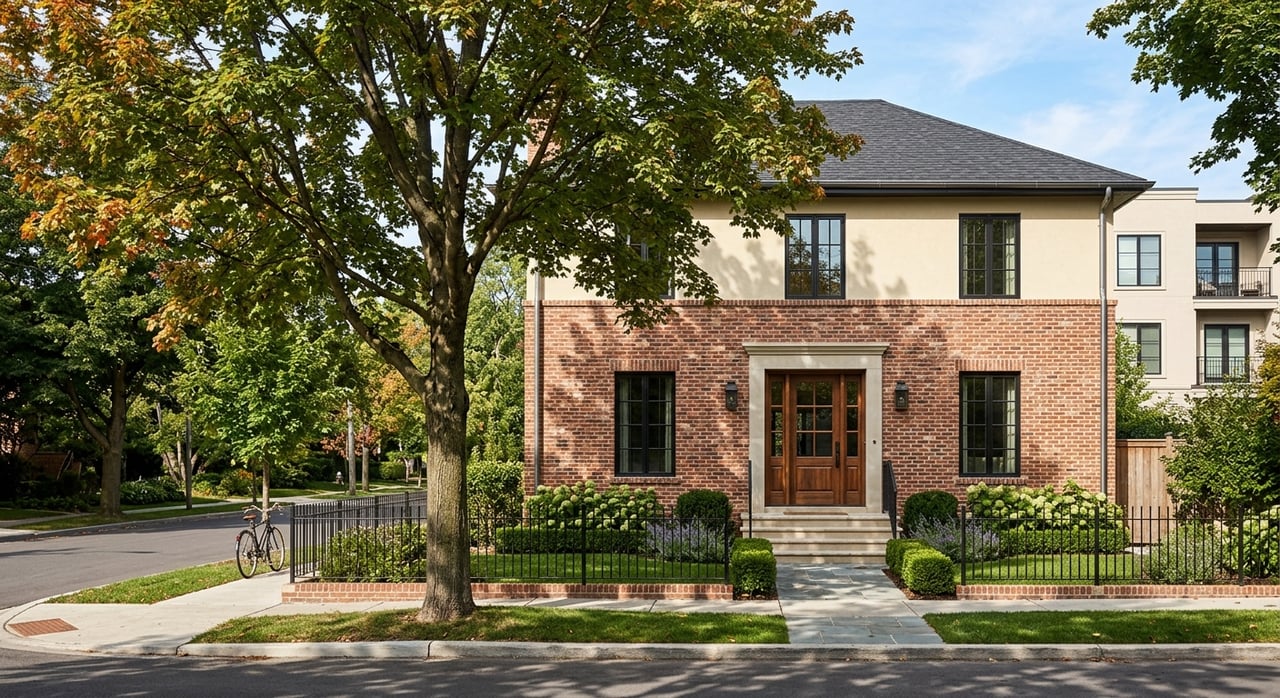
If you are drawn to architecture, original details, and a stronger sense of individual ownership, a historic single-family home may feel like the right fit. Nearby Morgan’s Subdivision is described by the city as a streetscape of mostly two- to three-story large single-family residences with red brick and stucco, wide sidewalks, and sizable front yards. In the broader Cheesman area, some houses date back to the 1880s.
These homes often offer the most character in the neighborhood’s housing mix. You may find more interior space, more privacy, and more freedom in how you live day to day. For buyers who want a home that feels distinctive rather than standardized, this can be a major advantage.
What to Expect With Maintenance
A detached home usually comes with the fullest maintenance responsibility. Routine upkeep can include the exterior structure, plumbing, electrical systems, HVAC, and other recurring tasks. In older homes, staying ahead of maintenance matters even more.
That ownership model appeals to buyers who want more control, but it also asks more of your time and budget. If you like the idea of managing improvements and preserving a home over time, that can be a positive. If you want a more turnkey lifestyle, it may feel like a heavier lift.
Historic District Review Matters
This is one of the most important local details to understand before you buy. Much of the surrounding area includes locally designated historic district fabric, and Denver states that properties within a historic district boundary are subject to design review. Roof or siding work on a historic district building must first be approved by Landmark Preservation.
If you expect to change windows, roofing, siding, or other visible exterior elements, review requirements should be part of your decision from the start. A beautiful historic home can be a strong long-term fit, but the path to exterior updates may be more regulated than many buyers expect.
Townhomes Offer A Middle Ground
If you want something between a detached house and a condo, a townhome can be a practical option. In the Cheesman and Capitol Hill area, historic infill from the 1920s included terraces, rowhouses, and small apartment blocks. That gives attached living a real neighborhood precedent here.
For many buyers, townhomes work well because they can reduce some of the maintenance burden without giving up as much independence as a condo. You may still get a more private entry, multi-level living, and a stronger sense of separation than you would in a larger shared building.
Read The HOA Documents Carefully
With townhomes, the key issue is not just the style of the home. It is the legal structure. HOA rules and CC&Rs determine who handles exterior maintenance and what restrictions apply.
Some townhome communities cover part or all of the exterior upkeep. That can be a real benefit if you want less outside maintenance than a single-family home. At the same time, shared walls, HOA rules, and limits on exterior changes are still part of the ownership experience.
Best For Buyers Who Want Balance
Townhomes often make sense if you want a middle path. You may prefer more autonomy than a condo but less hands-on upkeep than a historic house. In a neighborhood like Cheesman Park, that balance can be very appealing.
As you compare options, ask exactly what the HOA fee covers, whether parking is assigned or included, and how exterior repairs are handled. Those details shape both your monthly costs and your day-to-day convenience.
Mid-Rise Condos Keep Ownership Simpler
Mid-rise condos are a common fit for buyers who want urban living with less exterior responsibility. Around Cheesman Park and Capitol Hill, many postwar buildings were three or four stories, often brick, with a more modern design approach for the time. These buildings created an option for buyers who wanted location and convenience without the full labor of single-unit ownership.
That is still the appeal today. A mid-rise condo can offer a smaller footprint, a lower-maintenance lifestyle, and shared-building management. If you travel often, work long hours, or simply want less to manage, that can be a strong advantage.
Questions To Ask Before You Buy
With any condo, the association plays a major role in your ownership experience. Buyers should ask about special assessments, reserve funds, allowed modifications, and whether the condo is warrantable. These are not small details.
Association decisions can affect property values, financing eligibility, and future resale. Two buildings may look similar from the outside but perform very differently from a financing and ownership standpoint. That is why due diligence matters so much in this category.
High-Rise Living Is The Most Managed Option
If your priority is views, convenience, and a more managed lifestyle, a high-rise may be the best match. High-rise residential buildings line the northern and eastern edges of Cheesman Park, and the area includes examples from the 1960s and 1970s, including the 15-story Cheesman Club building. In neighborhood terms, this is the most vertical version of Cheesman Park living.
For some buyers, that is exactly the point. A high-rise unit can offer a lock-and-leave setup, broad views of the park or Denver Botanic Gardens, and fewer direct maintenance tasks inside a larger professionally governed building. If you value ease and urban energy, this home type can check a lot of boxes.
Governance And Building Health Matter
The tradeoff is that high-rise ownership depends heavily on association governance and building systems. Lenders may evaluate a condo project’s physical condition, financial stability, structural issues, lawsuits, and mandatory inspections. Research cited by Fannie Mae found HOA financial instability and deferred maintenance were top lender concerns.
That means you should look past finishes and views alone. Building operations, reserve strength, and maintenance history can shape both your financing options and your long-term resale path.
Compare Home Types Side By Side
| Home type | Best fit for | Main advantage | Main tradeoff |
|---|---|---|---|
| Historic single-family home | Buyers who want character and control | Space, privacy, and architectural personality | Highest maintenance and possible historic review |
| Townhome | Buyers who want a middle ground | Less exterior work with more autonomy than a condo | HOA rules and shared walls |
| Mid-rise condo | Buyers who want simpler ownership | Lower-maintenance urban living | Association health affects ownership and resale |
| High-rise condo | Buyers who want views and convenience | Managed lifestyle and strong location benefits | Heavier reliance on building governance and systems |
Park Proximity Changes The Experience
In Cheesman Park, the park itself is not just scenery. It is one of the neighborhood’s defining lifestyle features. The city is improving the playground, a picnic site, and the pedestrian path between the pavilion and the Denver Botanic Gardens, which supports the area’s walkable park-and-garden feel.
That can be a major plus if you want easy access to outdoor space and one of Denver’s most recognizable landscapes. But it is also worth remembering that Cheesman Park is one of the city’s busiest public spaces. The city’s special-event rest-period schedule lists Cheesman Park among Denver’s seven busiest parks.
Views And Activity Often Go Together
If you buy near the park, you may gain stronger recreation access, better views, and a more connected urban lifestyle. You may also experience more public activity, event traffic, and neighborhood energy than you would near a quieter park setting. That is not necessarily a downside, but it is part of the tradeoff.
This is especially important when comparing home types. A high-rise overlooking the park, a mid-rise on an active edge, and a detached home on a quieter block can all deliver very different daily rhythms, even within the same neighborhood.
How To Choose The Right Fit
The best home type in Cheesman Park usually comes down to your tolerance for maintenance, your need for flexibility, and the kind of lifestyle you want week to week. A detached historic home may suit you if you value character and direct control. A townhome may work if you want a balance between privacy and convenience.
A mid-rise condo may be the better fit if you want simpler ownership with fewer exterior responsibilities. A high-rise may make the most sense if your priority is views, ease, and a more managed experience. None of these options is universally better. The right answer depends on how you want to live.
If you are weighing tradeoffs in Cheesman Park, a thoughtful home search matters. From historic district review to condo financing questions and building governance, the details can affect both your daily life and your long-term flexibility. For guidance tailored to your goals, connect with Michael Galansky for a concierge-level conversation about which home type fits you best.
FAQs
What types of homes are common in Cheesman Park?
- Cheesman Park includes historic single-family homes, townhome or rowhouse-style attached homes, mid-rise condos, and high-rise residential buildings.
What should buyers know about historic homes in Cheesman Park?
- Buyers should know that many nearby properties are within historic district areas, so exterior work such as roof or siding changes may require Denver Landmark Preservation review and approval.
How is a townhome in Cheesman Park different from a condo?
- A townhome may offer more autonomy and sometimes a more private layout, but the HOA and CC&Rs still determine who handles exterior maintenance and what restrictions apply.
What should buyers review before purchasing a Cheesman Park condo?
- Buyers should ask about HOA fees, reserve funds, special assessments, allowed modifications, parking, the master insurance policy, and whether the building is considered warrantable for financing.
Is living near Cheesman Park quieter or busier?
- Living near Cheesman Park can mean strong access to recreation and views, but the park is also one of Denver’s busiest public spaces, so buyers should expect more activity in some locations.
Which Cheesman Park home type is lowest maintenance?
- In general, high-rise and mid-rise condos offer the most managed ownership experience, while detached single-family homes usually require the most hands-on maintenance.