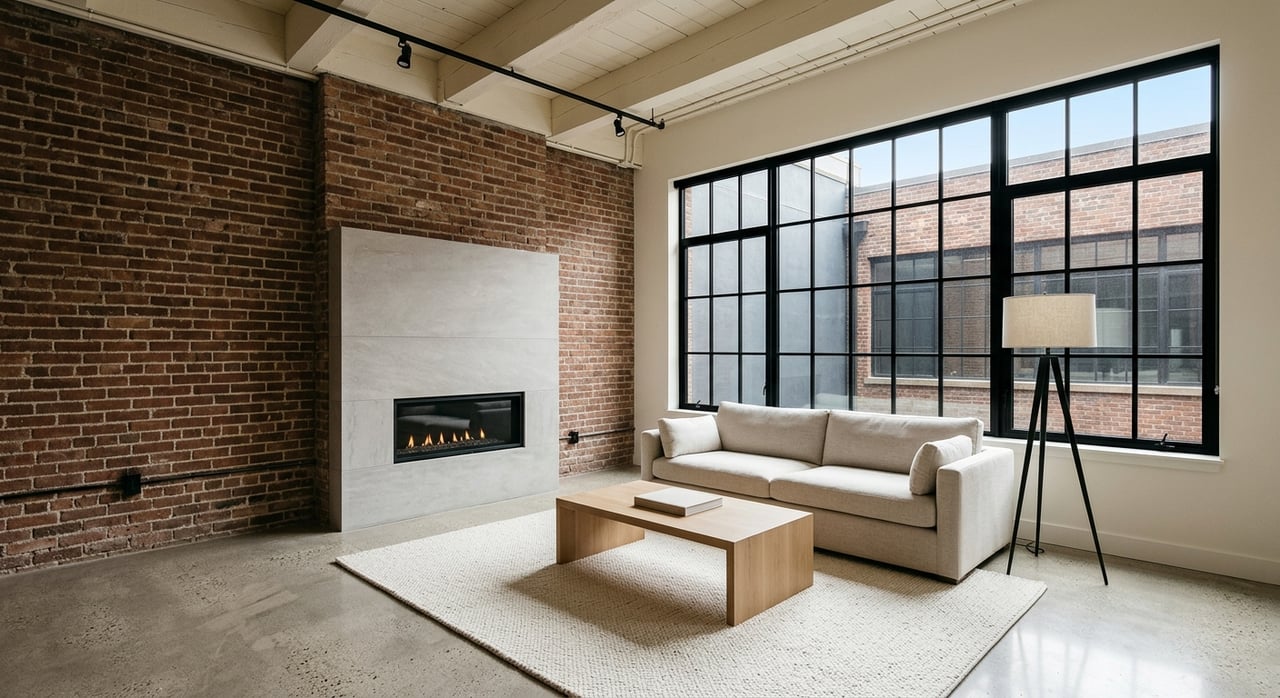
If your workdays move fast, where you live can either add friction or remove it. In LoDo, Denver’s historic lower downtown district, loft living can put transit, dining, entertainment, and daily convenience within easy reach. If you are weighing whether LoDo fits your lifestyle, this guide will help you understand the housing mix, the day-to-day rhythm, and the practical details that matter most. Let’s dive in.
Why LoDo Works for Professionals
LoDo stands out as a historic, mixed-use downtown district rather than a quiet residential pocket. The area is known for restored red-brick warehouse buildings, active street life, and a walkable setting that blends homes with restaurants, galleries, shops, bars, brewpubs, and coffee spots.
For many professionals, that mix is the draw. You can live close to where you commute, meet friends after work without much planning, and enjoy a more connected urban routine. The neighborhood’s core around Union Station and Larimer Square adds to that convenience with a strong mix of dining, entertainment, and downtown access.
What LoDo Loft Living Looks Like
LoDo’s housing story is shaped by adaptive reuse. Many of the homes that give the district its identity come from historic warehouse and commercial buildings that were converted into loft residences.
That often means features buyers associate with classic loft living, such as exposed brick, higher ceilings, and layouts shaped by older commercial architecture. At the same time, LoDo is not limited to vintage product. Newer mixed-use and condo buildings sit alongside historic structures, giving you a broader range of options.
Historic Lofts vs. Newer Condos
If you love architectural character, historic lofts may be the natural starting point. These homes often reflect the district’s original building fabric and can offer a more distinctive urban feel.
If you want newer-construction ease, modern condo and mixed-use buildings may offer a better fit. In LoDo, the appeal is often the blend of old and new, where you can prioritize character, convenience, or some balance of both.
What Buyers Should Compare
When you tour lofts and condos in LoDo, it helps to compare more than finishes. Focus on how each building supports your daily routine.
Key points to evaluate include:
- Building age and type
- Layout efficiency for work-from-home needs
- Included parking, if any
- HOA structure and monthly dues
- Building rules and shared amenities
- Street exposure and likely noise levels
- Access to Union Station, downtown transit, and major destinations
Transit and Commute Advantages
For busy professionals, LoDo’s transit access is one of its strongest selling points. Union Station is a multimodal hub with Amtrak service and RTD bus and rail connections, including 14 bus routes and 6 rail lines through the Union Station Transit Center.
That level of connectivity can make it easier to live with less reliance on a car. Weekday movement in LoDo often centers on commuting, grabbing lunch, meeting clients or colleagues, and heading out for after-work plans close to home.
Airport Access Matters
If you travel often, LoDo offers a straightforward airport connection. The A Line links Denver Union Station with Denver International Airport in about 37 minutes.
For executives, physicians, and other professionals with frequent flights, that kind of direct access can be a meaningful quality-of-life advantage. It simplifies early departures, late returns, and the general unpredictability of work travel.
Free Downtown Transit Options
LoDo also benefits from free downtown transit service. The 16th Street Free Ride and the Free MallRide support movement through the core, while the Free Metroride provides weekday rush-hour shuttle service between Civic Center Station and Union Station.
If you want a car-light lifestyle, these services can make daily errands and meetings easier to manage. That convenience is part of what gives LoDo its practical edge for people with packed calendars.
The LoDo Lifestyle: Weekdays and Weekends
LoDo changes pace depending on the day. During the week, the neighborhood tends to revolve around work, transit, quick meals, coffee stops, and after-hours socializing.
On weekends, the energy shifts. LoDo places you close to Coors Field, Ball Arena, live music, Broadway shows, bars, brewpubs, and a dense downtown dining scene.
Outdoor Access in the Urban Core
One of LoDo’s underrated strengths is how close it sits to outdoor recreation. The Cherry Creek Path and South Platte River Trail provide flat, accessible routes for running, biking, and walking.
Confluence Park adds another layer of flexibility with grassy areas, benches, trails, and a kayak run where Cherry Creek meets the South Platte. If you want an active lifestyle without leaving the city center, LoDo is well positioned for that balance.
Practical Realities to Think Through
LoDo can be a strong fit, but it is not effortless city living in every respect. The right purchase usually comes down to whether the building and block match your priorities.
For most buyers, four issues deserve extra attention: parking, HOA due diligence, historic design review, and noise tolerance. These are the details that can shape your ownership experience long after closing day.
Parking Is a Building-by-Building Question
Parking in downtown Denver is manageable, but it is rarely simple. Public garages and surface lots operate throughout downtown, and posted daily rates vary from $3 to $25 depending on location and time of day.
Metered street parking rules also vary by block, with different rates and time limits. Meter parking is free on Sundays and city holidays.
Residential parking permits may help in some areas, but Denver notes that some large multi-unit buildings in downtown and other mixed-use districts may be ineligible or limited when on-street supply is tight. That is why parking should be treated as a building-specific issue, not a neighborhood assumption.
Ask clear questions such as:
- Is parking deeded with the unit?
- Is there a leased space instead?
- Is guest parking available?
- Would you be relying on street parking?
- Are there restrictions tied to building size or permit eligibility?
HOA Review Is Essential
In LoDo, many buyers will be purchasing within a condo or loft association. That makes HOA review a core part of your due diligence.
In Colorado, regular HOA assessments typically cover operating costs. Special assessments may be used for repair, replacement, or new construction, and reserve funds are intended for larger future expenses.
Colorado guidance also notes that associations must carry insurance for common elements and liability. In addition, common interest communities with major shared components are required to have reserve studies, and those studies must be provided to potential purchasers in seller disclosures.
Before you move forward, review:
- Monthly HOA dues
- Recent budgets
- Reserve study documents
- Insurance information
- Any history of special assessments
- Rules that could affect daily use of the property
Historic Review Can Affect Exterior Changes
Because LoDo is a historic district, exterior work may involve more oversight than in other parts of metro Denver. The Lower Downtown Design Review Commission reviews certain new construction, alterations, signs, additions, and demolitions under district-specific guidelines.
That does not mean ownership is difficult. It does mean buyers should understand that exterior changes may not be as simple as they would be in a typical non-historic condo setting.
Noise Tolerance Matters
LoDo’s appeal is tied to activity, and activity brings sound. With restaurants, bars, sports venues, entertainment uses, and transit all concentrated nearby, buyers should expect more evening, weekend, and game-day noise than they would in primarily residential neighborhoods.
That does not make LoDo a poor choice. It simply means your comfort level matters. A unit’s orientation, floor level, window line, and proximity to busy streets or venues can make a real difference.
Who Is the Best Fit for LoDo?
LoDo tends to work best for professionals who value walkability, transit access, and a lively urban rhythm. It can be especially appealing if you work downtown, travel often, or want daily convenience without depending heavily on a car.
It may also suit buyers who appreciate the character of historic buildings and are comfortable with condo ownership, HOA review, and a more active neighborhood environment. If your top priorities are quiet streets, easy parking, and a more insulated residential setting, you may want to compare LoDo with other Denver options before deciding.
How to Evaluate LoDo the Right Way
The best LoDo purchase is usually not about chasing a certain look. It is about matching the right building to your schedule, travel habits, and tolerance for the realities of downtown living.
A smart search should weigh commute patterns, airport access, parking logistics, HOA health, and building character together. That kind of evaluation is especially important if you are relocating to Denver and need a home that works from day one.
If you are considering LoDo loft living as part of a move to Denver, working with an advisor who understands both the neighborhood’s lifestyle appeal and the details behind condo ownership can save you time and help you make a more confident decision. For concierge guidance tailored to your goals, connect with Michael Galansky.
FAQs
Is LoDo in Denver a good fit for busy professionals?
- Yes. LoDo is especially appealing for professionals who value walkability, strong transit access, easy airport connection through Union Station, and a lively downtown setting.
What types of homes can you buy in LoDo, Denver?
- LoDo offers a mix of historic loft conversions in restored warehouse and commercial buildings, along with newer condos and mixed-use residential options.
How convenient is LoDo for Denver airport travel?
- Union Station offers direct access to the A Line, which connects to Denver International Airport in about 37 minutes.
What should you know about parking in LoDo loft buildings?
- Parking varies widely by building. You should confirm whether a unit includes deeded parking, leased parking, or relies on street parking, and review any permit limitations that may apply.
Why is HOA review important for LoDo condo buyers?
- HOA review matters because monthly assessments, reserve funds, insurance coverage, and possible special assessments can all affect your long-term ownership costs and experience.
Do LoDo properties face historic design review in Denver?
- Yes. Because LoDo is a historic district, some exterior changes may be reviewed under Lower Downtown design guidelines.
Is LoDo quieter than other Denver neighborhoods?
- Generally, no. Because LoDo has concentrated dining, nightlife, sports, entertainment, and transit activity, buyers should expect more ambient evening and weekend noise than in primarily residential areas.
What lifestyle benefits does LoDo offer beyond restaurants and nightlife?
- LoDo also offers access to the Cherry Creek Path, South Platte River Trail, and Confluence Park, which support running, biking, walking, and other outdoor activity close to downtown.