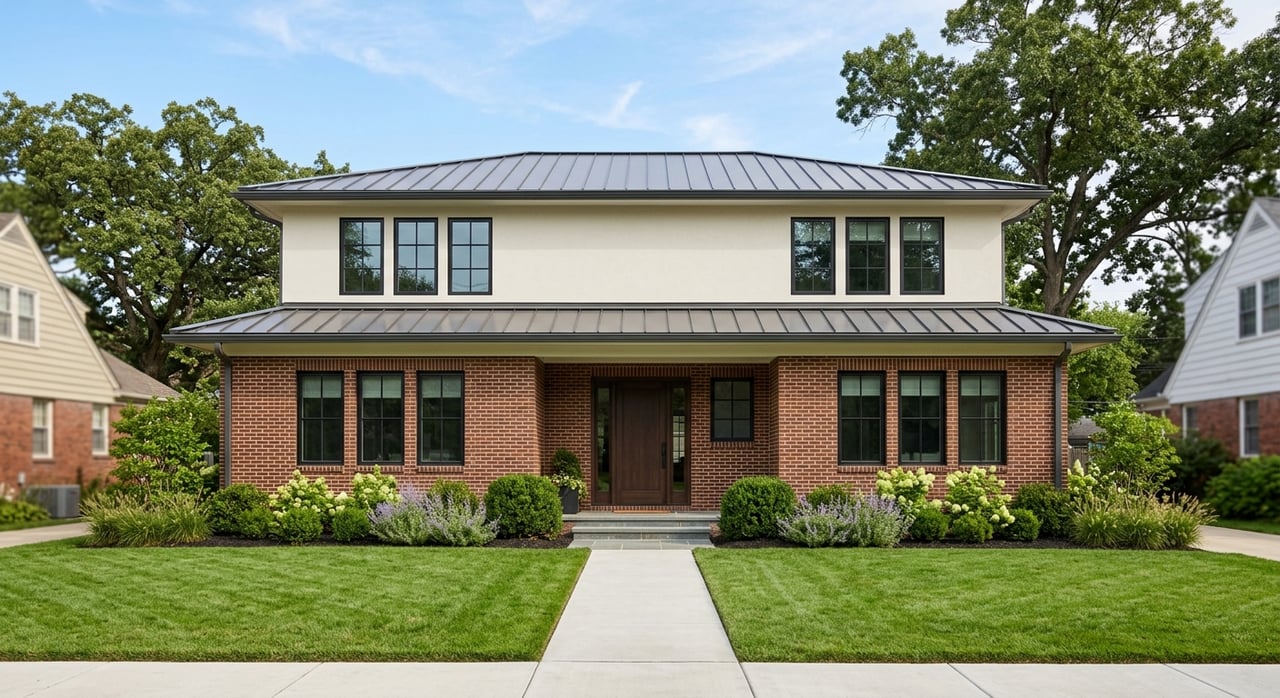
If you love Cory-Merrill’s location but your current home no longer fits the way you live, you may be asking the big question many owners face: should you plan a pop-top or start fresh with a rebuild? It is a major decision, and in a neighborhood where smaller postwar homes have steadily given way to larger homes, the right path depends on more than square footage alone. In this guide, you will learn how to think through zoning, site constraints, permits, team selection, and future resale in Cory-Merrill so you can move forward with more confidence. Let’s dive in.
Why Cory-Merrill Changes the Equation
Cory-Merrill is a long-established south Denver neighborhood bounded by South University Boulevard, East Mississippi and East Tennessee avenues, South Colorado Boulevard, and Interstate 25. The neighborhood association notes that it is home to more than 2,000 houses and that many of its smaller homes were originally developed after World War II.
That history matters if you are considering a pop-top or rebuild. Many lots started with modest homes, but the neighborhood has seen a gradual shift toward larger homes in the 21st century. That makes expansion a familiar idea here, but it does not make every property equally suited for it.
The area’s location also adds practical appeal. The neighborhood association highlights access to Washington Park, Bonnie Brae, Belcaro, I-25, and the RTD light rail station near the University of Denver, which helps explain why owners often want to improve in place rather than move.
Start With the Site, Not the Sketch
Before you spend real money on design, you need to know what your specific property can support. In Denver, the first step is verifying the exact zoning for the address and confirming whether the parcel is governed by the current Denver Zoning Code or Former Chapter 59, since some properties were not included in the 2010 code update.
Denver Assessor records can also help you confirm the home’s year built, square footage, lot size, bedroom and bath count, style, and zoning. That information gives you a practical starting point for deciding whether a second-story addition or full rebuild is realistic.
Denver’s zoning system is context-based. That means street and alley patterns, building placement, height, uses, and transportation access all affect what can be built, so a concept that looks great on paper may still run into hard site limits.
Key items to check early
A serious feasibility review should happen before design gets too far. For a pop-top or rebuild in Cory-Merrill, early checks often include:
- Zoning designation for the property
- Whether the lot falls under the current code or Former Chapter 59
- Required setbacks and bulk rules
- Height limits and how height is measured from zoning base planes
- Existing utilities and sanitary sewer location
- Tree protection rules in primary and side street setbacks
- Driveway or curb-cut changes that may trigger transportation review
- Sidewalk conditions and possible repair or replacement requirements
These items are not minor details. In many cases, they are the difference between a straightforward project and one that becomes expensive or heavily revised.
Pop-Top vs. Rebuild: How the Decision Usually Works
A pop-top and a full rebuild can both create the additional living space you want, but they do so in very different ways. The better option usually depends on how well the existing structure and lot geometry support your goals.
A pop-top may make sense if the lot can comfortably support the added square footage and the existing home gives your design team a workable foundation. In that case, you may be able to preserve more of the site’s existing value while avoiding the full process that comes with total demolition.
A rebuild may be the cleaner answer if your wish list would force too many compromises in the existing house. If the current structure, layout, or site limitations make a second-story addition awkward, a fresh start can provide better long-term function, but it also introduces demolition, landmark, tree, and right-of-way considerations.
A simple comparison
| Option | Often works best when | Main challenges |
|---|---|---|
| Pop-top | Existing home and lot can support added space with manageable constraints | Structural complexity, height and setback compliance, fitting new space cleanly on the site |
| Rebuild | Existing home would require too many compromises to meet your goals | Demolition permit process, neighbor notification, landmark review, tree protection, right-of-way logistics |
In Cory-Merrill, compatibility matters. Because Denver’s zoning code is organized around neighborhood context, the best result is often a home that feels well placed on the block rather than pushed to the absolute limit.
Permits in Denver: What You Should Expect
For both additions and new homes, Denver requires zoning, building, and sewer use and drainage permits. The city also reviews projects for drainage, transportation, structural, fire, energy, and in some cases health and forestry compliance.
That review structure is one reason these projects benefit from experienced professionals. Denver separates Residential Review, Structural Review, Energy Review, Zoning Review, and Zone Lot Verification Review, so a pop-top is not a simple drafting exercise.
If you are planning a full scrape-and-rebuild, the permitting path adds another step at the front end. A total teardown starts with a demolition permit, while a pop-top often includes partial demolition within the construction permit scope.
What demolition can trigger
If you choose a rebuild, Denver requires adjacent property owners to be notified at least 10 calendar days before demolition. The city also requires site preparation steps such as fencing, sign posting, utility shutoff, and tree protection.
If demolition affects the public right-of-way, a street-occupancy permit may also be needed. That can be especially relevant in a neighborhood setting where construction access, sidewalks, and nearby pedestrian activity are part of daily life.
Landmark Preservation also reviews all total demolition permits citywide, even when a property is not individually landmarked and not located in a historic district. If staff believes a property may have landmark potential, the process can include a posting period and a possible pause while preservation options are considered.
Sidewalks, Trees, Utilities, and Other Cost Drivers
Some of the biggest surprises on projects like these come from the site itself. Denver says you cannot build over existing utilities, and building over or within 2 feet of an existing sanitary sewer can require replacement of the sewer line.
New construction may also require new sidewalks or sidewalk repairs as part of the project. In Cory-Merrill, that detail matters because the area has seen Safe Routes to School improvements including sidewalk infill, a bike lane, a signal rebuild, a curb bump-out, and repaving on East Florida Avenue and East Iowa Avenue.
That school- and pedestrian-oriented setting does not change the code, but it does highlight why right-of-way impacts and construction logistics deserve attention early. If trucks, site access, or sidewalk work become part of the plan, you want to understand that before you are deep into design.
Tree protection is another major issue. Denver requires established trees in protected setback areas to be preserved unless removal is authorized, so mature landscaping can directly influence what gets approved and what it costs to build.
Why Your Team Matters More Than You Think
A project like this usually needs more than a contractor and a rough floor plan. Based on Denver’s permit structure, the core team often includes an architect, structural engineer, surveyor, and licensed general contractor, with demolition, drainage, forestry, and right-of-way specialists added as needed.
That professional bench matters because the city expects plans to address details like setbacks, eaves, overhangs, spot grades, and building height from zoning base planes. Those are technical requirements, and getting them wrong can slow a project or force revisions.
Denver does allow homeowners to act as their own contractor in limited cases, but only under owner-occupier rules, and licensed subcontractors are still required where applicable. For most Cory-Merrill owners considering a pop-top or rebuild, the better move is a seasoned local team that already knows how Denver wants plans prepared and reviewed.
Neighborhood Visibility Is Real
Even if your project is otherwise allowed by code, do not assume it will happen quietly. Denver lists the Cory-Merrill Neighborhood Association as a registered neighborhood organization, and registered neighborhood organizations receive notice of proposed zoning amendments, landmark designation applications, planning board hearings, and board of adjustment hearings.
In practical terms, that means exterior projects can become visible to neighbors as they move through the process. That is another reason thoughtful planning, a clean site strategy, and a design approach that fits the block can pay off.
Think About Resale Before You Build
It is easy to focus only on your current needs, especially if you plan to stay for years. Still, resale should be part of the conversation from the beginning.
Denver Assessor values residential property using comparable sales from the prior 24-month period. That means block-level comps and neighborhood fit matter when a future buyer or appraiser evaluates your finished home.
In Cory-Merrill, the strongest long-term outcome is often a home that delivers the space and function you want while still feeling appropriate to the lot and the surrounding streetscape. A project that is well planned, well executed, and well matched to the neighborhood tends to age better in the market than one that simply chases maximum size.
A Smart Planning Sequence
If you are trying to decide what to do next, keep the process simple. A clear order can help you avoid expensive missteps.
Step 1: Confirm the property facts
Start with zoning, code framework, lot size, existing square footage, and assessor data. You want a factual baseline before anyone starts promising what can be built.
Step 2: Review physical constraints
Look at setbacks, height, utilities, sewer location, tree protection, sidewalks, and access. This is where many projects either gain momentum or hit early friction.
Step 3: Build the right professional team
Bring in an architect, surveyor, structural engineer, and experienced licensed contractor as needed. For a higher-stakes project, the right team can save time, money, and frustration.
Step 4: Compare pop-top and rebuild scenarios
Ask which path gets you closer to your goals with fewer compromises. The answer should reflect the lot, the existing structure, permitting complexity, and long-term resale logic.
Step 5: Plan for approvals and logistics
Account for review timelines, demolition rules if applicable, right-of-way needs, and the fact that new homes cannot be occupied until Denver issues a Certificate of Occupancy.
If you are weighing a pop-top or rebuild in Cory-Merrill, the best first step is not choosing finishes or drawing a dream elevation. It is understanding what your lot, your house, and Denver’s process will actually support. With the right guidance, you can make a decision that protects both your daily quality of life and your future resale position. If you want a concierge-level perspective grounded in Denver neighborhood knowledge, design and development experience, and strategic resale insight, connect with Michael Galansky.
FAQs
What should you check first before planning a pop-top in Cory-Merrill?
- Start by confirming the property’s exact zoning, whether it falls under the current Denver Zoning Code or Former Chapter 59, and key site constraints such as setbacks, height limits, utilities, sewer location, and tree protection requirements.
What permits are typically required for a Cory-Merrill pop-top or rebuild?
- Denver typically requires zoning, building, and sewer use and drainage permits for additions and new homes, with reviews that may include drainage, transportation, structural, fire, energy, health, and forestry compliance.
What is the main difference between a pop-top and a rebuild in Denver permitting?
- A pop-top often includes partial demolition within the construction permit scope, while a full rebuild starts with a demolition permit and may also involve neighbor notification, site preparation requirements, and citywide Landmark Preservation review.
Can trees and sidewalks affect a Cory-Merrill rebuild project?
- Yes. Denver requires protection of established trees in protected setback areas unless removal is authorized, and new construction may require sidewalk repairs or new sidewalks depending on the project.
Why does neighborhood context matter for a Cory-Merrill construction project?
- Denver’s zoning system is context-based, and future value is often influenced by block-level comparable sales and how well the finished home fits the lot and surrounding streetscape.
Who should be on your team for a Cory-Merrill pop-top or rebuild?
- Most projects benefit from an architect, structural engineer, surveyor, and licensed general contractor, with other specialists added as needed for demolition, drainage, forestry, or right-of-way issues.