If you want a premium sale in Bonnie Brae or Belcaro, start by leaning into what makes these homes special while removing buyer friction. Buyers here love authentic character and low-maintenance living. The right prep plan does not require a full remodel. In this guide, you’ll learn the high-ROI steps, local rules to know, realistic budgets and timelines, and how to market your home for top-tier results. Let’s dive in.
Know your market and buyer
Bonnie Brae and Belcaro offer distinct styles. Bonnie Brae is known for winding streets, mature trees and storybook Tudor or brick homes with arched entries and detailed millwork. Belcaro features larger ranch and estate-style properties with generous lots and outdoor amenities. In Belcaro, buyers often expect higher-end finishes and outdoor entertaining spaces, including pools and curated landscaping. For neighborhood background and Belcaro history, review the Belcaro overview.
What buyers pay a premium for
Across these pockets, buyers pay up for preserved period details, updated mechanicals and roofing, well-finished kitchens and baths scaled to the home, attractive and private outdoor living, and strong curb appeal. Great visuals matter. Buyer surveys show photos top the list of online tools used to screen homes, and staging helps buyers picture themselves living there. See highlights in the NAR buyer and seller profile.
Why block-level comps matter
Sample sizes in these neighborhoods are small, and a single scrape or luxury sale can skew medians. Compare recent sales by block, lot size and home type. Work with a local agent who can pull very recent MLS comps and guide finish-level decisions so you do not over-improve beyond the neighborhood ceiling.
Exterior first: curb appeal and structure
Exterior condition sets the price anchor the moment buyers see your photos or drive up. National Cost vs. Value data shows exterior projects often rank highest for dollars recouped. Use this to prioritize spend. Review the latest findings in the Cost vs. Value report.
- Clean and correct. Pressure-wash siding and paths, clear gutters, and power-wash the drive and porch. It’s fast, affordable and photo friendly. Budget about $150 to $600 and 1 to 3 days.
- Entry and garage. Repaint or replace the front door, swap dated hardware, add path lighting, and replace a visibly worn garage door. Choose style-appropriate options for Tudors and brick cottages. Budget $150 to $800 for paint and trim, $1,500 to $4,000 for a new entry door, and $2,500 to $7,000 for a new garage door. Plan 1 day to 1 week.
- Masonry and trim. Tuckpoint visible mortar, repair soffits and trim, and document the work for buyers. On designated properties, certain preservation work can qualify for state historic tax credits. Learn more about credits and approvals on Denver’s Landmark Preservation resource. Budget $1,000 to $6,000 depending on scope.
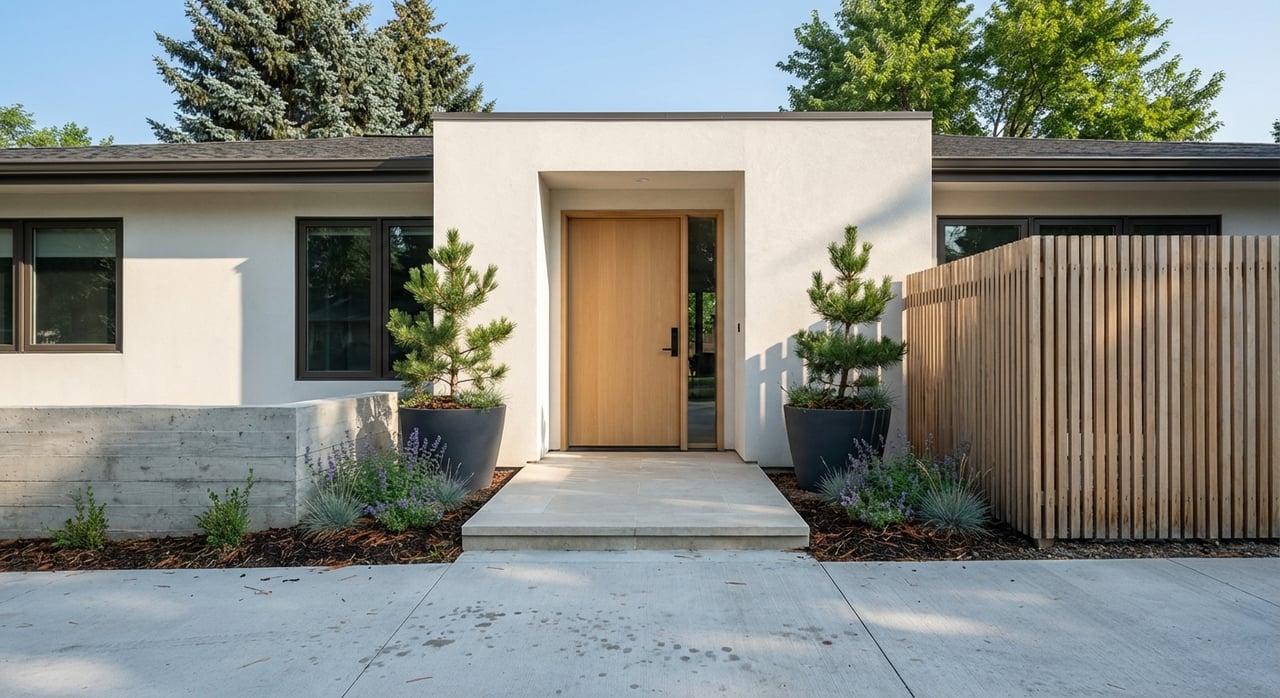
- Landscaping cues. Trim overgrown shrubs, refresh mulch, use symmetrical planters at the entry, and add accent lighting for twilight photos. In Belcaro, create outdoor seating vignettes to show scale. Budget $300 to $5,000 and 1 to 7 days.
- Roof and gutters. If the roof is near end of life or shows issues, schedule an inspection and address repairs or replacement. Buyers and appraisers pay attention to roofs at this price point. Inspections often take 1 to 7 days, and replacements 1 to 2 weeks.
Tip: Build a one to two page punch list with photos of every elevation. Get written quotes from licensed contractors so you can prioritize by impact and timeline.
Smart interior updates that fit the house
You want turn-key without losing character. Focus on light, strategic refreshes that read well in photos and at showings.
- Deep clean, declutter and neutralize. Remove personal items, simplify drapery and right-size furnishings. It’s the biggest perceptual win per dollar. NAR’s guidance on staging and presentation supports the impact. Budget $500 to $2,000 for pro help.
- Paint key rooms. Use warm, neutral tones in the entry, living room, kitchen and primary bedroom. Preserve original wood trim and built-ins when in good shape. Budget $1,000 to $4,000.
- Lighting and bulbs. Replace dated fixtures with period-aware choices and standardize warm LED bulbs for bright, cohesive photos. Budget $300 to $2,000.
- Kitchen refresh, not a gut. Reface or paint cabinets, update hardware, replace counters with quartz or quality alternatives, refresh backsplash, faucet and lighting. Minor kitchen projects often recoup a strong portion of cost at resale according to the Cost vs. Value report. Budget $8,000 to $30,000 depending on scope.
- Floors. Refinish original hardwoods where possible. If replacement is needed, choose wood or engineered materials that match your home’s character.
Decision rule: Match finishes to recent comps on your block. Over-improvement beyond the likely sale price reduces ROI.
Design-forward staging that fits your architecture
Professional staging helps buyers visualize the home and supports higher click-throughs and stronger offers. Industry surveys and NAR findings show staging can shorten time on market and boost offers. Review NAR’s staging insights.
- Where to stage. Prioritize the living or great room, primary bedroom, kitchen and the main outdoor entertaining area. Vacant homes benefit most from full staging. Occupied homes often need targeted staging plus decluttering.
- Style by home type. For Bonnie Brae Tudors and brick cottages, highlight architectural focal points, use layered textures and keep furniture scale modest. For Belcaro estates or large ranches, show scale with larger sofas, multiple seating zones, a dedicated office or media room, and a luxury outdoor dining setup.
- Photo readiness. Schedule photography right after staging and before listing launch. You can use virtual staging selectively, and disclose it when used.
Pre-list inspection and targeted repairs
A pre-list inspection gives you control. You can fix key items upfront or price accordingly, reducing late-stage renegotiations and delays. See a practical overview of benefits in this pre-listing inspection guide.
- What to include. Add a radon test, a sewer-line scope for older neighborhoods, roof and HVAC checks, and an electrical panel review. For older Tudors, assess the chimney and flashing. If you have additions, confirm permits.
- Typical costs. General inspection $350 to $700, sewer scope $150 to $400, and radon testing $150 to $300.
- Act on findings. Repair safety, structural and major system issues before listing or price for them. Handle minor cosmetic items selectively based on cost versus impact.
Colorado law requires specific radon disclosures. Review the Division of Real Estate advisory on SB23-206 and provide the required brochure and any known test results. See the state’s radon disclosure guidance.
Permits, historic rules and tax credits in Denver
If your home is a designated Denver landmark or contributes to a historic district, certain exterior work that needs a permit also requires a Certificate of Appropriateness. Qualifying preservation work may be eligible for Colorado state historic-preservation income tax credits when completed under the right standards. Start with Denver’s Landmark Preservation resources.
For routine repairs like roof, windows or HVAC replacement, confirm permitting with Denver Community Planning and Development and allow time for processing. For a fast sale, avoid changes that require complex design reviews.
Marketing and launch plan
Photos are the first showing. Invest in professional photography, floor plans and a 3D tour for higher-tier listings. Buyers consistently rank photos as their top online resource, as shown in the NAR buyer and seller profile.
- Visuals that sell. Capture a hero exterior, twilight shots and key interior vignettes. Use drone or aerials for Belcaro estates to show lot scale and outdoor amenities. For Bonnie Brae, feature character moments like arched entries and proximity to parks and shops.
- Listing cadence. Aim to launch on a Thursday with full media ready to maximize weekend traffic. If possible, target late April through June for spring momentum. If timelines are tight, align staging and photos to your chosen launch week.
Timelines and budgets that work
- Quick concierge: List in 2 to 3 weeks. Declutter and deep clean, paint select rooms, pressure-wash and order pro photos with light staging. Budget $3,000 to $10,000.
- High-impact: List in 4 to 8 weeks. Exterior touchups, minor kitchen refresh, pre-list inspection and targeted repairs, full staging or a full-photo staging package. Budget $10,000 to $50,000.
- Luxury repositioning: 3-plus months. Larger exterior work, curated landscaping, high-end kitchen or bath, or period-appropriate restoration. Only pursue if post-renovation price comfortably exceeds local ceilings. Budget $50,000-plus. The Cost vs. Value report shows exterior and minor kitchen projects often recoup a higher percentage than major gut remodels.
Mini checklists by home type
Bonnie Brae Tudor or brick cottage
- Before: Dated front door and hardware, heavy drapery, dark rooms, busy décor, worn hardwoods, cluttered mantle hiding the fireplace arch.
- After: Deep-cleaned façade and path, period-appropriate door color and new hardware, warm LEDs, layered textures with lighter-scale furniture, refinished or polished hardwoods, mantle styled to frame the fireplace.
- Targeted updates: Tuckpoint visible mortar, refresh mailbox and house numbers, neutral paint in entry and living room, cabinet hardware swap, small quartz remnant for a modest kitchen counter if needed.
Belcaro estate or large ranch
- Before: Oversized hedges hiding architecture, weathered garage door, underlit rooms, mismatched finishes, blank patio.
- After: Trimmed hedges that frame the façade, new or refreshed garage door, scaled fixtures for higher ceilings, cohesive finishes, staged outdoor dining and lounge zones with accent lighting.
- Targeted updates: Minor kitchen refresh at luxury level where justified, landscape lighting for twilight photos, roof certification or documented repair, dedicated office or media room staging.
Vet and manage vendors with confidence
- Inspectors. Hire a certified home inspector who offers radon testing and a shareable written report.
- Contractors. Confirm license and insurance, collect three references with recent photos, request itemized quotes with milestones, and hold a small retainage for final sign-off. Obtain lien waivers at completion.
- Stagers and photographers. Ask for recent work in similar home types and price bands. Confirm delivery timelines for staging, photography, twilight images and 3D tours.
- Historic specialists. For exterior restoration on older homes, consult a preservation architect or contractor with Denver Landmark experience if you plan to pursue tax credits. Start with Denver’s Landmark Preservation resources.
Quick vetting checklist: proof of insurance and license, three recent project photos and references, timeline guarantee, written warranty scope, final invoice and lien waiver.
Listing day and showings checklist
- Pre-photo day. Turn on all lights with 3000K LEDs, make beds, clear counters to a 2-foot perimeter, remove personal photos, set a comfortable thermostat, hide pet items and secure valuables.
- Exterior prep. Sweep or blow walkways, water planters, set two front-porch chairs for the hero shot, and confirm exterior lights for twilight photos.
- Showings. Pack a light go-bag, let your agent host, keep showings short and unobstructed, and follow a simple reset routine after each day.
Ready to position your home for a premium sale
If you want a results-driven, concierge plan tailored to your home and block, partner with a local team that manages prep, design guidance and launch with precision. From pre-list inspections and vendor coordination to staging, photography and pricing strategy, we handle the details so you can focus on your next move. To map your path to top-of-market results, connect with Michael Galansky.
FAQs
What updates deliver the best ROI in Bonnie Brae-Belcaro?
- Exterior projects like entry and garage doors, targeted masonry touchups and landscaping typically recoup well, and a minor kitchen refresh often outperforms a full gut per the Cost vs. Value report.
Should I do a full kitchen remodel before selling in Denver?
- Usually no; a well-executed minor refresh with updated counters, hardware, lighting and backsplash is faster, costs less and often returns a higher percentage than a major remodel.
Do I need a pre-listing inspection in Colorado to sell?
- It’s optional but smart; a pre-list inspection with radon testing can surface issues early, help you repair or price accordingly and reduce renegotiations, as outlined in this pre-listing inspection guide.
How do Denver historic preservation rules affect exterior updates?
- Designated landmarks or contributing homes often need a Certificate of Appropriateness for permitted exterior work, and qualifying preservation can be eligible for state tax credits per Denver’s Landmark Preservation resources.
When is the best time to list a Bonnie Brae-Belcaro home?
- Many sellers aim for late spring, and a Thursday launch can amplify weekend traffic; your ideal window depends on your home’s readiness and local comp activity.
What should I know about radon disclosure as a Denver home seller?
- Colorado law requires you to provide the state brochure and any known test results; consider pre-list radon testing to avoid surprises and comply, per the state advisory.