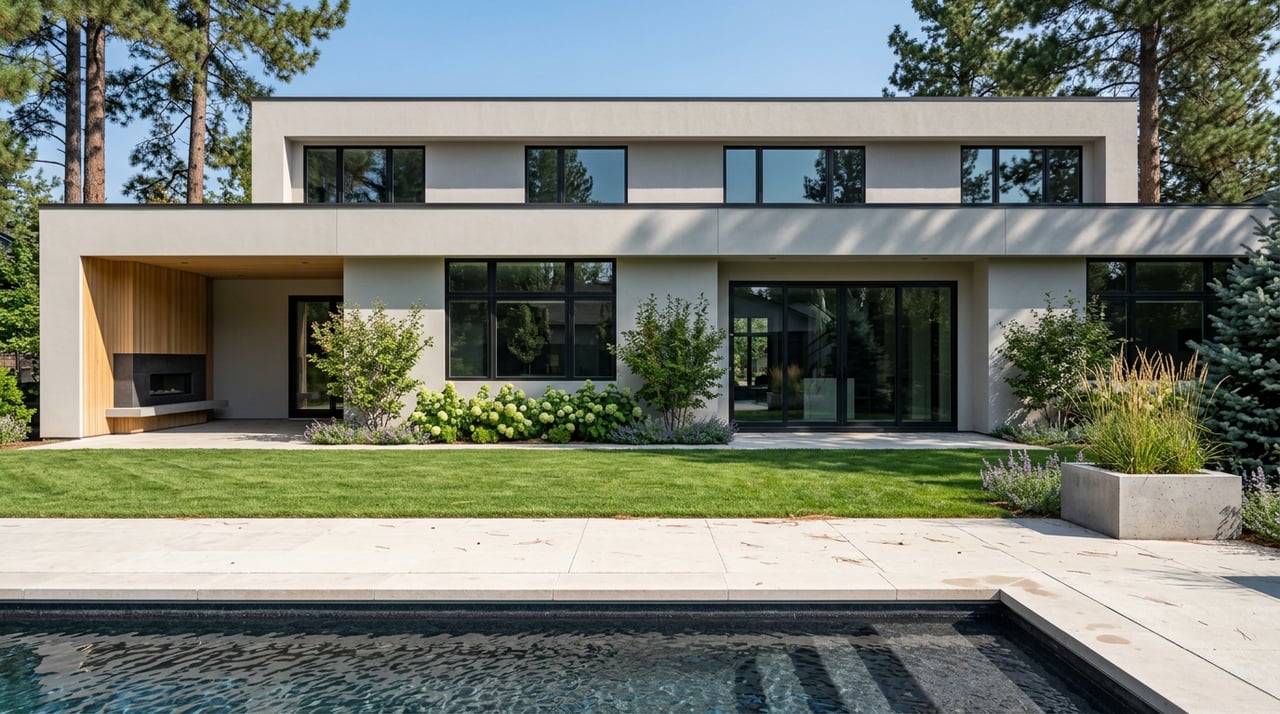
Selling an estate home in Cherry Hills Village is not the same as listing a standard single-family property. You are working with rare acreage, bespoke architecture, and a buyer pool that expects discretion and excellence. With the right strategy, you can protect your privacy, create competitive tension, and maximize value. This guide walks you through how to price, position, and launch your estate with confidence. Let’s dive in.
Why Cherry Hills Village is different
Cherry Hills Village is a low-density community with limited land and a small number of true estates. Parcels often range from a half-acre to five acres or more, and zoning tends to restrict densification. That structure helps support long-term land value for estate-caliber properties. Before you plan any marketing angle that depends on potential changes to the property, confirm permitted uses and lot details with the city’s Planning and Zoning Division. You can review current designations through the city’s official resources on the Planning & Zoning Division page.
At the high end, the market can be thin with few clean comparables. A standout sale can skew averages and make pricing feel choppy. Local reporting shows that values in early 2026 sat roughly in the low-to-mid multimillion range for single-family estates, but you should treat medians as directional only. For context on recent dynamics and top-tier volatility, consult local coverage such as this Cherry Hills Village market report overview, and always verify current numbers with your agent using REcolorado data for the exact time frame you plan to quote.
Pricing that fits estates
Estate properties live beyond a simple price-per-square-foot rule. The right number is grounded in land, architecture, privacy, landscape quality, and the specific lifestyle your property delivers. A strong pricing plan blends narrative and evidence.
- Use a pre-listing appraisal to anchor value, especially when comps are sparse. Experienced appraisers often lean on the cost approach and make thoughtful land and amenity adjustments. See what to expect from the process in this overview of how home appraisals work.
- Pair the appraisal with a detailed broker opinion of value that frames the lifestyle and provenance story. Your marketing should translate features into outcomes buyers care about, like ability to host events, equestrian use, multi-generational living, or opportunities to renovate under current zoning.
- Document assumptions. When data is thin, written assumptions reduce disputes, speed negotiation, and protect your target price.
Choose your exposure plan
Broad exposure tends to increase competitive pressure and price, but some sellers need more discretion. Understand your options and the tradeoffs before you choose a path.
- Be aware of evolving “clear cooperation” debates and the compliance risks that come with limited distribution. For a quick primer on the policy tensions and legal scrutiny, review this industry overview of pocket-listing battles.
- Consider three common distribution tracks:
- Maximum exposure. Launch on the MLS, syndicate widely, and pair placement with targeted luxury networks and paid campaigns. This route is best when top-dollar price is the primary goal. For creative tactics and luxury reach ideas, explore strategies for marketing luxury homes.
- Curated public launch. Start with a brief broker-only preview window, then roll to MLS once vetted interest is building. Your team will conduct targeted outreach to private banks, relocation partners, and family-office contacts while preparing a polished public debut.
- Off-market or broker-exclusive. Use tightly controlled exposure for privacy or security. This can be a fit for celebrities, trust sales, or complex family situations. Expect potential tradeoffs in competition and price. Always document objectives and confirm local MLS rules in writing.
Elevate visuals that sell
At the estate level, production quality is not optional. Top-tier assets create urgency online and pre-qualify who shows up in person.
- Professional photography that includes both day and twilight sets is a baseline. NAR research shows staging and strong visuals help buyers imagine living in the home and can support faster, stronger offers. You can read a summary of those findings in this NAR staging report overview.
- Add a cinematic property film, vertical edits for social, and a single-property website to centralize the story. Floor plans and 3D matter, too. Industry analyses consistently find that buyers crave floor plans and interact longer with listings that include them. See key takeaways in this WAV Group perspective on floor plans.
- For aerials, hire a Part 107 certified pilot and plan for airspace authorizations. Noncompliant flights can create liability for both the pilot and the hiring party. Review the FAA’s Part 107 basics here: small UAS regulations.
Recommended minimum asset set for an estate listing:
- Professional interior and exterior stills, including twilight
- 2 to 3 minute cinematic film plus short vertical cuts
- Drone aerials showing parcel scale, approach, and views
- Interactive floor plans and a high-quality 3D walkthrough
- A premium printed folio and a single-property website with gated documents for vetted buyers
Privacy and showing protocols
Discretion can coexist with smart exposure. If you need privacy, consider a short, invite-only broker preview before a wider launch. Your agent should document your objectives and confirm any Clear Cooperation requirements in advance.
For in-person access, safety and vetting come first. Require license verification for brokers, buyer-agent confirmation, and proof of funds or a lender letter before you grant access. Use a secure data room for high-resolution materials and redacted legal documents, and keep showings accompanied with limited attendees. For context on safe practices, see this guidance on prioritizing agent safety and prospect vetting. In select cases, a narrowly tailored NDA can make sense. Avoid public open houses unless you can provide RSVP controls and security.
Pre-market improvements and timeline
The right prep sequence protects value and reduces surprises. For Colorado sellers, start by organizing records and completing current state forms, then tackle priority systems and presentation.
- Title, permits, and disclosures. Assemble maintenance logs, surveys, and warranties, and complete the latest Colorado Seller’s Property Disclosure. The Commission updates forms periodically. Review the state’s notice on updated Seller’s Property Disclosure forms and ask your agent for the current version.
- Safety and major systems. Address issues that could block financing or showings, like roofs, HVAC, structural items, or open permit questions. Buyers and lenders will focus on these.
- Grounds and approach. Refine irrigation, prune and clean, and repair driveways or hardscape. For estates, the approach drive and landscape are powerful first impressions.
- Targeted interior updates. Neutralize or remove distractions, and complete cost-effective touch-ups in the kitchen or primary suite if they clarify value at your price point.
- Staging and capture. Finalize staging, then photograph and film only once the home reflects what you plan to sell. The NAR staging research underscores why it pays to get this sequence right.
A typical five-week timeline:
- Weeks 0–1: Confirm goals, assemble documents, and order an optional pre-list appraisal.
- Weeks 1–3: Complete priority repairs and landscape work; engage stager and media vendors.
- Week 3: Install staging, then capture photography, drone, 3D scan, and video.
- Week 4: Approve assets, build the single-property site, and prepare your distribution plan.
- Week 5: Launch with your chosen exposure strategy, or begin a broker-only preview with a set MLS go-live date.
Adjust for larger renovations and consider seasonal light. Spring bloom and clear autumn skies can elevate exterior assets in a meaningful way.
Launch, measure, adjust
Treat your launch like a product release. Track how buyers engage, then respond fast.
- Measure unique visits to the property site, average time in the 3D tour, broker preview attendance, the count of vetted showings, proof-of-funds conversions, and qualified offers within the first 30 to 60 days.
- Use targeted luxury channels and paid placement to reach family offices, relocation buyers, and high-net-worth audiences most likely to value your property’s lifestyle. For inspiration on reach tactics and curated exposure, review these luxury marketing approaches.
- If engagement lags, revisit the story, photography order, and pricing assumptions. Your appraisal and BOV should guide thoughtful adjustments rather than reactive cuts.
Seller checklists
Use these quick references to keep your process tight and focused on results.
Asset checklist
- Day and twilight professional photography
- Cinematic video plus short-form edits
- Drone aerials by a Part 107 pilot
- Interactive floor plans and high-quality 3D walkthrough
- Premium printed brochure or folio
- Single-property website with gated docs for vetted prospects
Privacy and showing checklist
- Proof of funds or lender letter required before showings
- Broker license check and agent-to-agent scheduling
- Accompanied, appointment-only, limited attendees
- ID verification at arrival and sign-in logs
- NDA where appropriate and approved by counsel
- No public open houses without RSVP, vetting, and security
Pre-list improvement checklist
- Resolve safety and major system items
- Refresh grounds, approach drive, and hardscape
- Declutter, depersonalize, and address targeted finishes
- Stage key rooms and schedule media only after staging
When to time your launch
In Cherry Hills Village, weather and light shape first impressions. Spring gardens and early fall clarity are especially photogenic. If your goals allow, plan production and release windows around those conditions. You can still sell well in winter or midsummer, but expect your team to lean harder on interior lifestyle storytelling, 3D, and strong twilight work to create emotional resonance.
Work with a concierge team
High-caliber estates demand a thoughtful, hands-on approach. You want a partner who can combine valuation, design-savvy presentation, curated distribution, and meticulous showing protocols. The Galansky Group delivers that with an owner-led, concierge model that spans brokerage, design and development insights, relocation coordination, and property management. With 1,400-plus transactions referenced and a vetted network of finance, title, architecture, construction, and staging partners, we tailor a plan that respects your privacy while maximizing market reach.
Ready to map your path to market? Schedule a confidential consultation with Michael Galansky to build a strategic plan for your Cherry Hills Village estate.
FAQs
What is different about marketing an estate in Cherry Hills Village?
- Estates often sit on larger parcels with limited local comps and zoning that restricts densification, so you market a lifestyle and provenance story supported by careful valuation rather than a simple price-per-square-foot model.
How should I price an estate with few comparables?
- Pair a pre-list appraisal that weighs land and replacement cost with a detailed broker opinion that frames the narrative and documented assumptions to reduce disputes and support your target price.
Is off-market selling a smart move for my Cherry Hills Village property?
- It can be appropriate for privacy or sensitive situations, but you should document the tradeoffs since limited exposure can reduce competition; confirm MLS rules and consider a brief broker-only preview before a public launch.
What visuals do buyers expect at the estate level?
- Professional day and twilight photography, a cinematic film, drone aerials by a certified pilot, interactive floor plans, and a high-quality 3D walkthrough supported by a single-property website and premium print.
What screening should I require before showings?
- Require broker vetting, proof of funds or a lender letter, appointment-only accompanied tours, ID verification on arrival, and NDAs when appropriate to protect privacy and safety.
How long should I plan before going live?
- A focused five-week plan usually works: one week for documents and appraisal, two weeks for repairs and staging prep, one week for production and approvals, then launch and early measurement in week five.