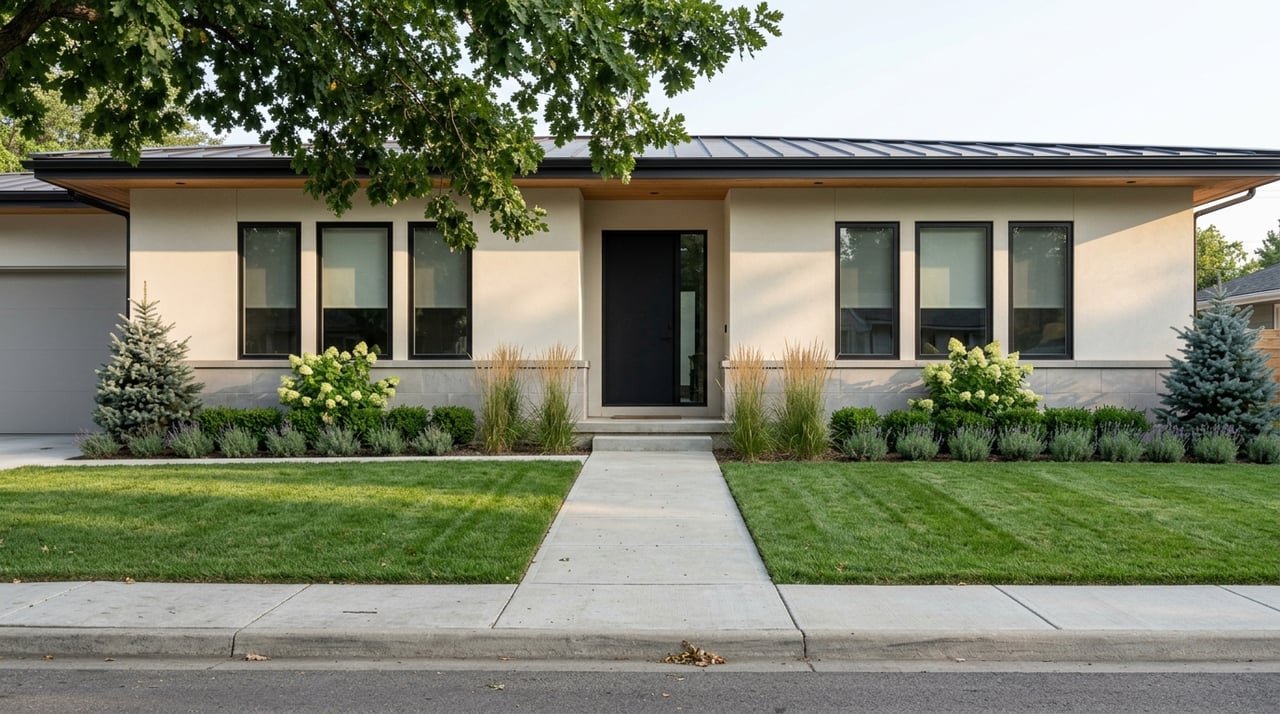
If you are thinking about selling in Bonnie Brae or near Belcaro, the right updates can shape how buyers see your home before they ever step through the door. In a neighborhood known for classic Tudors, brick ranch homes, curved streets, and strong architectural identity, buyers tend to notice whether a home feels both true to its character and ready for modern living. This guide will help you focus on the pre-sale updates that are most likely to improve presentation, reduce friction, and support a stronger launch. Let’s dive in.
Why Bonnie Brae-Belcaro updates need strategy
Bonnie Brae is not a one-size-fits-all market. The neighborhood developed from the 1920s through the mid-1950s, and its homes include Tudor-style architecture, eclectic period homes, and an important collection of original one-story brick ranch properties. Nearby Belcaro Park is also known for large lots, curving streets, and predominantly ranch-style homes with attached garages and moderate-pitch hipped roofs.
That matters because buyers here are not judging your home by square footage alone. They are also responding to how well it fits the style and scale of the area. In many cases, a home that feels thoughtfully maintained and design-aware will make a stronger impression than one with flashy but mismatched changes.
Current Denver market conditions add another layer. Realtor.com’s May 2026 market summary describes Denver as a balanced market, with 4,408 active listings, a median listing price of $549,900, and a median of 43 days on market. DMAR’s April 2026 reporting also points to a stable market where buyers remain cautious, especially in higher price ranges.
In that setting, presentation matters. Homes that feel polished, well cared for, and easy to move into often compete better than homes that leave buyers guessing about deferred maintenance or future projects.
Start with what buyers notice first
Before you think about a major remodel, focus on the parts of your home that shape first impressions. Buyers often decide how they feel about a property from the photos, the front approach, and the first few rooms they see. That is why many of the most effective pre-sale improvements are simple, visible, and relatively fast.
The 2025 Profile of Home Staging found that 83% of buyers’ agents said staging made it easier for buyers to visualize a property as a future home. That same report identified the living room, primary bedroom, and kitchen as the most important rooms to stage. Buyers’ agents also reported strong value in listing photos, traditional staging, video, and virtual tours.
For sellers in Bonnie Brae-Belcaro, that translates into a clear question: what will buyers see online, at the curb, and in the first few minutes inside? If the answer is clutter, dated finishes, or an unclear layout, your home may lose momentum before buyers appreciate its real strengths.
Focus on curb appeal first
Exterior presentation often gives you the best return for the effort. National cost-versus-value data for 2024 showed that garage door replacement recouped 194% on average, steel entry door replacement recouped 188%, and manufactured stone veneer recouped 153%. By comparison, many interior remodels returned less.
That does not mean every Bonnie Brae or Belcaro home needs a new garage door or front door. It means exterior improvements tend to attract buyer attention and support perceived value. In neighborhoods with strong streetscapes and mature landscaping, a tidy, inviting front elevation can set the tone for the entire showing.
A practical exterior checklist may include:
- Refreshing the front door or hardware
- Replacing dated or worn exterior lighting
- Repairing trim or visible façade wear
- Touching up paint where needed
- Improving landscaping and entry walkways
- Cleaning windows and pressure-washing surfaces
If your home has a garage that faces the street, the garage door can have an outsized visual impact. In ranch-heavy areas near Belcaro, that single feature can shape how current or cared-for the property feels from the curb.
Make interiors feel lighter and simpler
Inside the home, buyers usually respond best to clean, neutral, and easy-to-read spaces. NAR’s consumer guidance on staging emphasizes decluttering, neutral paint, reducing personal items, using less bulky furniture, and strengthening the entry experience. Those changes help buyers focus on the home itself rather than your belongings or decorating style.
Zillow’s 2024 seller research found that 72% of sellers completed at least one improvement before listing. The most common projects were interior paint, bathroom work, kitchen updates, landscaping, flooring, exterior paint, appliance updates, and roof repairs. Zillow’s 2025 seller research showed a similar pattern, with sellers generally favoring practical refreshes over major reconstruction.
That lines up well with what tends to work in character neighborhoods. If your home already has appealing bones, cosmetic improvements often go farther than a large, time-consuming remodel.
The best pre-sale updates to prioritize
Most sellers benefit from a phased plan rather than one large renovation. In Bonnie Brae-Belcaro, that usually means addressing issues in the order buyers are most likely to notice them.
1. Fix visible exterior issues
Start with the front elevation and any obvious deferred maintenance. Buyers notice worn paint, damaged trim, poor lighting, tired landscaping, and doors that look dated or neglected. If those items are unresolved, buyers may assume there are bigger maintenance concerns elsewhere.
This step is especially important in neighborhoods where architectural character matters. A clean, well-proportioned exterior tells buyers the home has been cared for and respected.
2. Invest in paint, lighting, and hardware
These are often some of the most efficient interior updates because they improve the look of the home without changing its structure. Fresh paint in a neutral palette can brighten rooms and make older layouts feel more current. Updated hardware and light fixtures can also help bridge the gap between original charm and present-day expectations.
In many Bonnie Brae and Belcaro homes, the goal is not to erase period character. It is to remove distractions and make the home feel finished.
3. Repair flooring and obvious wear
Minor flooring repairs, refinishing where appropriate, or replacing damaged sections can improve both photos and in-person showings. Buyers tend to read worn flooring as one more project waiting for them after closing. If you can reduce that mental to-do list, your home may feel more move-in ready.
4. Stage the rooms that matter most
Professional staging can be a smart pre-sale investment, particularly in the upper-mid-tier and premium segments. According to NAR’s 2025 staging report, the median cost of using a staging service was $1,500, while agent-led staging had a median cost of $500. The same report found that 19% of sellers’ agents saw a 1% to 5% increase in the dollar value offered after staging, and about half reported reduced time on market.
If you are deciding where to spend, prioritize:
- Living room
- Primary bedroom
- Kitchen
- Entry sequence
- Any flex room that could serve as an office
That last point matters because Zillow’s 2025 buyer research found that 51% of buyers considered an extra room for a home office very or extremely important. In addition, 30% valued a separate structure for a home office, and 55% were more likely to buy a home with an existing ADU.
If your home has a den, guest room, garden-level space, or detached structure, make its use obvious. Buyers respond well when they can immediately understand how a space supports work, hobbies, or multigenerational living.
When bigger renovations may make sense
Not every seller should stop at cosmetic work. Some homes have kitchens, baths, layouts, or condition issues that clearly hold back buyer interest. In those cases, larger improvements may be worth considering, but only when the expected resale benefit justifies the time, cost, and complexity.
A useful way to frame the decision is simple. If the issue is mostly visual, keep the update cosmetic and efficient. If the project changes the footprint, structure, or major systems, be sure it solves a meaningful market problem.
Good reasons to consider more extensive work
A larger project may deserve a closer look if your home has:
- A cramped or awkward bedroom count
- Poor circulation between main living spaces
- No clear flex room or work-from-home space
- A kitchen or bath whose condition is noticeably limiting demand
- An addition opportunity that fits the lot and preserves proportion
Belcaro’s ranch-house form and lot sizes can sometimes support well-designed additions, especially when the work respects scale and materials. But in a neighborhood with strong architectural identity, an obvious overbuild can hurt more than it helps.
Know the permit and disclosure issues
Before taking on substantial work, make sure you understand Denver’s process. The city requires permits for most construction, alteration, or repair work, and most structural projects do not qualify for quick permits. Single-family projects may go through building, zoning, and sewer or drainage review, and some additions or basement digs can also trigger environmental quality and city forester review.
If a property is individually landmarked or located in a historic district, exterior changes and roofing may also require Landmark Preservation review. That can affect both timeline and scope.
If approved plans change during the project, Denver requires modified drawings and another review. For sellers on a listing timeline, that extra step can be significant.
Colorado disclosure rules also matter. The Colorado Division of Real Estate says the current Seller’s Property Disclosure form for residential property is for use on or after January 1, 2026, and it must be completed based on the seller’s current actual knowledge. In practical terms, that means cosmetic work is not a substitute for disclosure.
Before listing, it is wise to keep:
- Contractor invoices
- Permit records
- Scope-of-work details
- Repair receipts
- Notes on any known defects or prior issues
That documentation helps support transparency and can reduce confusion once buyers begin their due diligence.
A smart pre-sale plan for Bonnie Brae-Belcaro
If you want a simple framework, start with the home you have, not the one you wish you had. Respect the architecture, address condition issues that could create buyer hesitation, and invest first in the updates that shape first impressions. In this part of Denver, the best results often come from restraint, clarity, and thoughtful presentation.
A strong pre-sale sequence usually looks like this:
- Confirm the home’s style, era, and strongest architectural features
- Repair anything likely to raise inspection concerns
- Improve curb appeal and front-entry presentation
- Refresh paint, lighting, hardware, and minor flooring issues
- Stage key rooms for photos and showings
- Reassess whether any larger renovation truly adds value
That approach fits both the neighborhood and the market. It also helps you avoid over-improving in ways that add time and cost without improving buyer confidence.
If you are preparing to sell in Bonnie Brae or near Belcaro, a measured, design-aware plan can make your home feel more compelling from day one. For a tailored strategy that reflects your property, timeline, and goals, connect with Michael Galansky.
FAQs
What pre-sale updates matter most in Bonnie Brae-Belcaro?
- The most important updates are usually curb appeal, visible maintenance repairs, neutral paint, lighting, hardware, minor flooring fixes, and staging in the living room, kitchen, and primary bedroom.
Should you remodel a kitchen before selling a Bonnie Brae home?
- A full kitchen remodel is usually best reserved for homes where the existing condition clearly limits buyer interest, since exterior improvements and cosmetic refreshes often offer a more efficient pre-sale return.
Do Denver sellers need permits for pre-sale renovation work?
- Denver requires permits for most construction, alteration, or repair work, and most structural projects do not qualify for the quick-permit path.
Is home staging worth it for a Belcaro listing?
- It often is, especially because staging helps buyers visualize the home, supports better marketing presentation, and may contribute to stronger offers or less time on market.
What should you disclose after making repairs before selling in Colorado?
- You should complete the current Colorado Seller’s Property Disclosure form based on your actual knowledge and keep records such as invoices, receipts, and permit documents for work completed.