You can spot a Wash Park bungalow from a block away, but figuring out how the home lives, what the lot allows, and where trade-offs show up is not always obvious. If you are weighing character, space, yard size, and park proximity, the right context will help you act with confidence. In this guide, you will learn how Washington Park’s common home styles compare, which lot types exist and why they matter, and what to know about ADUs, renovations, and pricing context. Let’s dive in.
Quick snapshot and price context
Washington Park is one of Denver’s most sought-after neighborhoods, wrapped around a long, rectangular urban park recognized on the Colorado State and U.S. National Registers. The park covers roughly 155 to 165 acres and anchors daily life with paths, lakes, courts, and lawns. You will often hear locals refer to Washington Park East and Washington Park West, but both sides feed the same outdoor lifestyle. You can read about the park’s facilities on the City’s page for the Washington Park Boathouse.
For market context, the DMAR Q1 2025 zip-code report lists 80209, which includes Washington Park, with a median closed price of $1,235,500. You can see the zip-level snapshot in the DMAR Q1 2025 report. Neighborhood-focused tools also track Washington Park specifically. As of June 2025, Listalysis reports a median price near $1.6 million, about $549 per square foot, and typical single-family lot sizes around 5,000 to 7,500 square feet. Review the Listalysis Washington Park snapshot for details.
What you will see: home styles
Craftsman and bungalow
Bungalows are Wash Park’s signature early 20th-century look. Expect low-pitched gables or cross-gables, wide porches with tapered or square columns, and exposed rafter tails. Interiors were designed for efficient living, often 1 to 1.5 stories with separate living and dining rooms and modest original kitchens. Architectural survey material from Historic Denver provides a helpful overview of these forms and cues; see the style descriptions in the Discover Denver survey materials.
Many bungalows sit on narrow but deep city lots with alley access. You will often find detached garages or old carriage houses at the rear. Renovations commonly open the kitchen and add rear decks or patios. Because bungalows are common and beloved, pricing varies widely by renovation level and proximity to the park.
Denver Square and American Foursquare
If you want more interior volume on a city lot, the Denver Square is a strong candidate. These early 1900s two to two-and-a-half story homes follow a boxy, efficient plan with a central stair and a four-room logic per floor. Exteriors tend to be symmetrical with hipped roofs, dormers, and full-width porches. You will often find more bedrooms here than in a similar-footprint bungalow, which can be a smart fit if you need extra sleeping space without a giant lot.
Period revival styles
Tudor Revival, Colonial Revival, and Spanish-influenced homes appear across the neighborhood, especially on blocks that built out in the 1920s and 1930s. Look for steep gables, decorative masonry, half-timbering on Tudors, and formal, balanced facades. These homes blend character with a more polished curb appeal and can land in a mid-to-upper price band depending on condition and location.
Mid-century pockets
Minimal Traditional and early Ranch homes show up in pockets and some infill areas from the 1930s to 1960s. These are typically single-level plans with simpler rooflines and a straightforward layout. Buyers who value one-floor living or easier access may prefer these, especially on deeper lots with room for outdoor upgrades.
Modern infill and custom builds
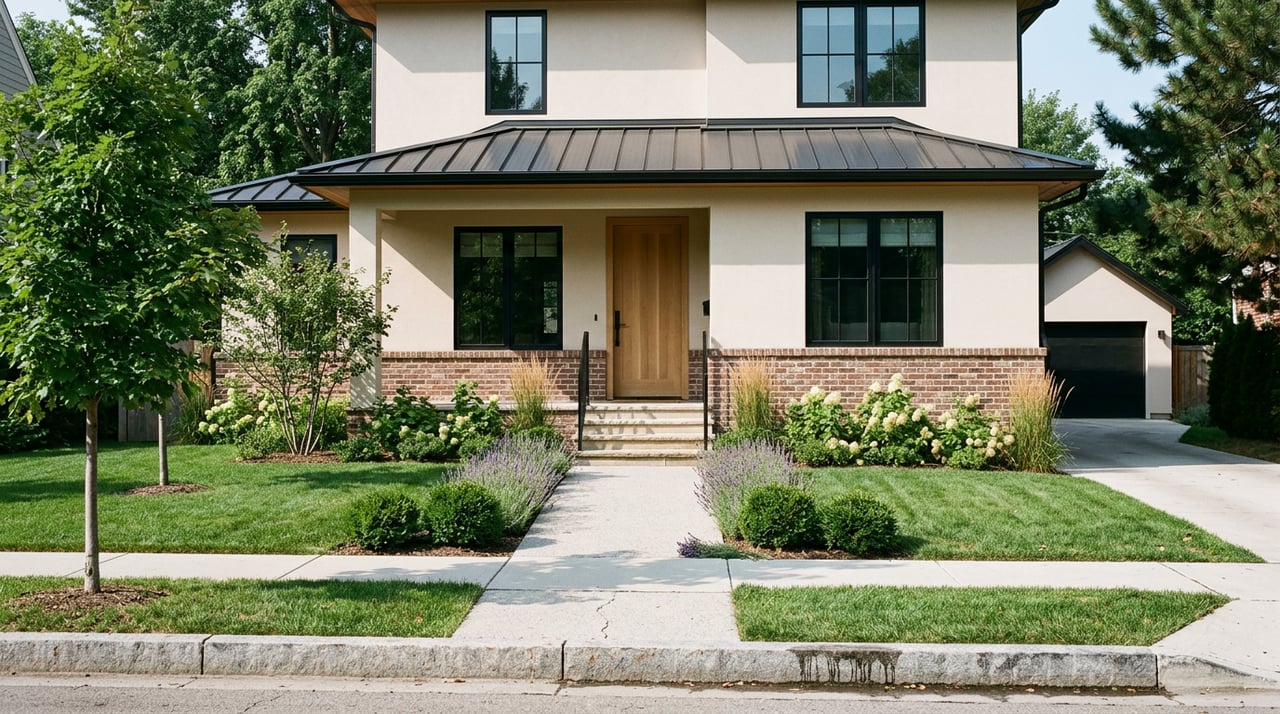
You will also see newer homes and custom builds from the 2000s to the present. These emphasize open plans, taller massing, integrated garages, and high-end systems and finishes. They tend to command top-of-market pricing and can compress yard space if the footprint covers more of the lot. The trade-off is lower near-term maintenance and turn-key comfort. Market tools that focus on Washington Park confirm this upper-tier positioning; review the June 2025 view in the Listalysis neighborhood snapshot.
Lot types and how they live
Park-facing and park-adjacent lots
Homes that face the park, or sit one block away, offer views and instant access to recreation and events. These locations are highly desirable and often carry a measurable premium. Academic research shows that well-maintained parks can increase nearby property values, although the exact magnitude varies by city and park quality. You can read a review of park proximity effects in this summary of park capitalization research. The counterbalance is event activity, weekend parking demand, and less privacy. For a general overview of the neighborhood layout around the park, see the Washington Park page.
Interior blocks with alley access
Most older Wash Park blocks have alleys. That means cleaner street fronts and garages at the rear. Alley access supports detached garages, carriage houses, and potentially a detached ADU if zoning allows. It also makes service and trash access simpler. Some buyers value the traditional alley-loaded setup, while others want an attached front garage. Consider how you live day to day and whether a rear-loaded garage meets your needs.
Corner lots
Corner parcels can be slightly larger or irregular. You may gain more yard or light and have more options for a side-access garage. The trade-offs are more exposure, two street frontages to maintain, and sometimes a different privacy feel than an interior lot.
Typical sizes and depth
Across Washington Park, many single-family parcels fall in the 5,000 to 7,500 square foot range. Traditional dimensions around 50 feet wide by 100 to 125 feet deep are common, though there is real variety block to block. Before you compare two listings on price alone, confirm the parcel dimensions in the MLS or with the county. Review neighborhood-level lot size context in the Listalysis Washington Park overview.
Carriage houses and ADU potential
Older carriage houses are a Wash Park hallmark and can be strong templates for detached ADUs. Denver has updated its zoning code to enable ADUs more broadly in residential areas. Rules vary by zone district and address things like maximum size relative to lot area, design, and owner-occupancy in some single-unit zones. Start with the City’s Citywide ADUs page and the ADU permits guidance. Always verify current zoning and permit requirements for the specific parcel before you plan a conversion or build.
Renovation, permits, and preservation
Washington Park itself is on state and national historic registers, and some nearby structures carry individual landmark status. Many properties are not inside a local historic district, but if a home is designated or within a district, exterior work may require Landmark Preservation review. Check property-specific status with the City before budgeting major exterior changes. The park’s official facility page is a good starting point for context on historic recognition; see the Washington Park Boathouse information.
You will also see a history of “pop-top” additions and full scrapes with new construction. These can draw public interest and may trigger review depending on zoning and preservation status. For neighborhood background, explore the Washington Park overview. Given the age of many homes, plan for inspections that address foundations, electrical and plumbing systems, insulation, and windows. Original millwork and built-ins are common and worth preserving, but they can add cost and complexity when updating to current codes. Use inspectors experienced with historic properties, and build a realistic contingency into your budget.
Which home fits your goals?
Historic-charm buyer. Prioritize bungalows and Denver Squares on interior blocks. Look for intact porches, original woodwork, and documented maintenance. Expect smaller original kitchens and plan for targeted updates. Architectural survey research from Historic Denver shows why these forms remain popular and adaptable; see the Discover Denver materials.
Space-focused household. Target larger Denver Squares or newer infill on deeper or wider lots. If bedroom count and yard utility are top of mind, compare interior area and outbuilding potential, then verify school boundaries directly with the district.
Low-maintenance or turn-key. Newer custom builds deliver modern systems, open plans, and integrated garages. Expect a premium for convenience and scale. Balance that against yard size and how the massing feels on the block.
Investor or ADU strategy. Focus on alley access, lot size, and zoning. Confirm owner-occupancy and size limits where applicable, then model rental assumptions against permitting timelines and costs. Begin with the City’s Citywide ADUs guidance.
Park-first priority. If morning runs and water views top your list, target park-facing or one-block-away locations. Research indicates parks often lift nearby values, but be ready for event noise and heavier parking on busy days. See the park proximity research summary for general background.
How to compare two Wash Park listings fast
Use this five-point checklist:
Lot size and shape. Confirm width and depth. A 50-by-125-foot lot lives differently than a 50-by-100-foot lot, especially for outdoor projects.
Garage and access. Detached alley garage, attached garage, or no off-street parking. Factor in event-day parking near the park.
Expansion path. Pop-top potential on a bungalow, rear addition on a Denver Square, or no practical expansion due to setbacks and coverage. Verify zoning before you assume anything.
ADU readiness. Alley presence, rear yard space, and zone district. Start with City ADU resources and then confirm parcel-specific rules.
Preservation and permit history. Any landmark status, past permits, or demolition reviews. Understand what is feasible before you bid.
Final thoughts
The best Washington Park purchase starts with clear priorities. Decide if you value historic charm, maximum space, yard utility, or park proximity most, then match the lot and style to that goal. Pair that with a smart due diligence plan for zoning, ADUs, and any preservation steps, and you will navigate the neighborhood with confidence.
If you want concierge-level guidance that blends market expertise with design and development insight, connect with Michael Galansky for a private consultation. We will help you compare options, stress test renovation or ADU feasibility, and position your offer to win.
FAQs
What are the most common home styles near Washington Park?
- Bungalows and Denver Squares are most common, with pockets of Tudor and other period revivals, some mid-century homes, and modern infill.
What is a typical lot size for Wash Park single-family homes?
- Many parcels fall around 5,000 to 7,500 square feet, often near 50 feet wide and 100 to 125 feet deep, though dimensions vary by block.
Do park-facing homes cost more than interior-block homes?
- Often yes; research shows proximity to well-maintained parks can increase values, but the premium varies and should be evaluated per listing.
Can I add a detached ADU behind a Wash Park home?
- Possibly; Denver’s citywide ADU updates allow ADUs more broadly, but you must confirm the specific zone district, design and size limits, and any owner-occupancy rules.
Are there historic district or landmark rules I need to follow?
- Some properties are individually landmarked or within local districts; exterior changes on those parcels may require Landmark Preservation review, so verify status early.
What renovation issues are common in older Wash Park houses?
- Expect to assess foundations, electrical, plumbing, insulation, and windows, and plan for careful work around original millwork and built-ins.