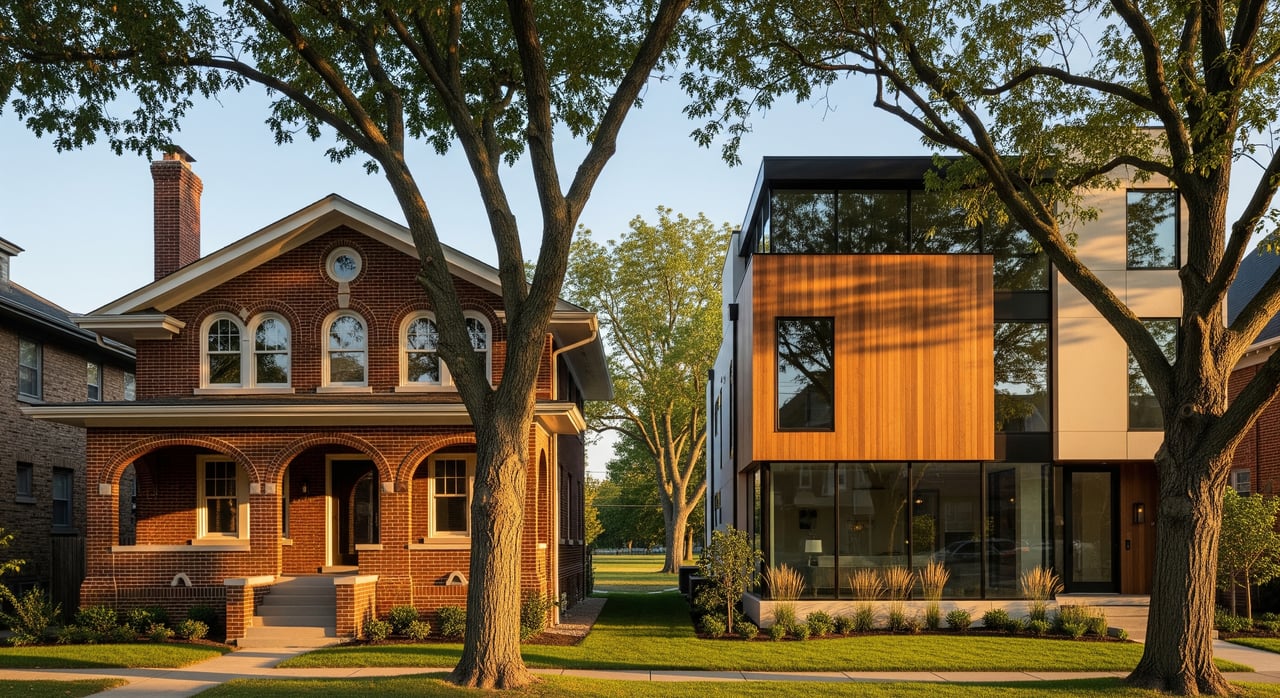
Torn between a charming Denver Square and a sleek new build near the park? In Washington Park, both options are popular, and the right choice comes down to how you want to live, what you want to spend over time, and how much project work you want to take on. In this guide, you will compare price, maintenance, energy performance, lifestyle fit, and Denver’s permitting rules so you can choose with confidence. Let’s dive in.
Wash Park at a glance
Washington Park is one of Denver’s most established neighborhoods. You will find early 20th-century homes, including Denver Squares, bungalows, and Craftsman- and Prairie-influenced styles, along with newer infill built over the last 10 to 20 years. Buyers pay a premium for park access, mature trees, and walkability, which supports both restored historic homes and contemporary builds.
Lots are moderate to large for an in-city area. Many older homes have front porches and alley access. Attached garages are less common in historic homes, while new builds often include them. Because location drives demand, well-executed historic restorations and thoughtfully designed new construction both sell well here.
Price and long-term value
Up-front purchase price
- Historic homes with recent renovations can command prices similar to new builds, especially when systems are updated and the character is preserved.
- Unrenovated historic properties may list lower, but you should budget for upgrades.
- New infill typically carries a premium per square foot for modern layouts, high-end finishes, and turnkey convenience.
Value over time
- Both options benefit from the Wash Park address. Renovated historic homes can appreciate well if updates respect the architecture and modernize core systems.
- New builds often hold value through contemporary floor plans, energy efficiency, and low immediate maintenance.
- Execution matters. The quality of design, finishes, and craftsmanship will influence resale more than the age alone.
Financing notes
- If you plan to renovate, you can explore renovation-friendly mortgages such as FHA 203(k), Fannie Mae HomeStyle, or construction-to-perm products. Availability and underwriting can change, so verify current options with your lender.
- For new construction, lenders will underwrite based on appraisals of the completed home.
Renovation and maintenance reality
Common issues in older Wash Park homes
Historic structures can have deferred maintenance. Typical findings include older roofing, knob-and-tube wiring or small electrical panels, cast-iron or galvanized plumbing, foundation settling, single-pane windows, aging HVAC, and moisture in basements. In very old finishes, lead paint or asbestos may be present and require abatement.
Budget expectations
Cosmetic refreshes are often manageable. Full-system upgrades for electrical, plumbing, HVAC, insulation, windows, and roofing can reach tens of thousands to low six figures depending on scope. Full gut restorations require larger budgets. New builds generally have lower near-term maintenance, though long-term items like roofs and mechanicals will still reach mid-life.
Contractor market
Specialists in historic restoration can be harder to secure and may cost more. Denver has many capable general contractors for infill, though demand is steady. If you are considering a renovation, line up scopes and estimates early.
Inspection and due diligence
Always get a comprehensive home inspection, including structural, roof, HVAC, electrical, plumbing, and a sewer scope. For older homes, an energy audit or blower-door test helps you quantify improvement potential and expected operating costs. Build a contingency for surprises uncovered during renovations.
Energy efficiency and sustainability
Typical performance gaps
Older Wash Park homes usually have lower insulation levels, older windows, and leaky envelopes that increase heating and cooling costs. New infill benefits from modern building codes, tighter envelopes, efficient HVAC, and LED lighting.
Upgrade pathways for historic homes
You can improve efficiency while preserving character. Practical steps include air sealing, attic and cavity insulation, duct sealing, high-efficiency heat pumps, smart thermostats, and selective window repair or interior storm panels. If your roof orientation allows, solar can be considered.
Incentives and audits
Federal tax credits and Colorado programs may offset costs for heat pumps, insulation, and electrification, and utilities often offer rebates. Programs evolve, so verify current eligibility and amounts. An energy audit will help you prioritize upgrades with the best payback.
Sustainability perspective
Keeping an existing home can retain embodied carbon and neighborhood fabric, while new construction can lower operational energy needs from day one. Your best path may balance sensitive preservation with targeted efficiency upgrades.
Layout and lifestyle tradeoffs
Floor plans and daily flow
- Historic Denver Squares and bungalows often feature segmented rooms, original millwork, built-ins, and front porches. Kitchens can be smaller, and bathrooms fewer. Thoughtful renovations can open walls, but structural elements and historic features add complexity.
- New builds usually deliver open-concept living, larger kitchens, more en-suite baths, primary suites, mudrooms, and integrated technology.
Parking and storage
Historic homes may lack attached garages or have narrow carriage houses off the alley. Many new builds include attached garages and added storage, which can be a priority for gear-heavy households.
Indoor-outdoor living
Older properties often have mature landscaping and large shade trees. Infill can optimize indoor-outdoor flow with new patios or doors, although backyard size can vary based on lot coverage choices.
Aging in place and accessibility
New construction can incorporate universal design features more easily, such as wider doorways, curbless showers, and main-level bedrooms. Converting a historic home for similar needs is possible, but may require more extensive work.
Permits, preservation, and zoning in Denver
What typically needs a permit
Structural changes, additions, electrical panel upgrades, major plumbing, HVAC replacement, certain window changes that affect egress, re-roofing, foundation work, decks, demolitions, ADUs, and garages generally require permits and inspections with the City and County of Denver.
Historic designation and review
If a property is locally landmarked or in a historic district, exterior changes, additions, or demolition can trigger preservation review and may require a Certificate of Appropriateness. Interior work is often more flexible. Check status early to understand design guidelines, timelines, and costs.
Zoning and lot coverage
Infill must comply with zoning for setbacks, height, lot coverage, and parking. ADUs and accessory structures have specific rules. Some properties may have overlay districts or neighborhood design guidelines that apply.
Demolition considerations
Demolition of older homes can involve review or waiting periods, and community input sometimes plays a role. Builders also consider tap fees and other city reviews. Timeline planning is important if a teardown or major addition is part of your plan.
Which path fits you?
- You want turnkey convenience and low immediate maintenance: a new build can deliver modern systems, open layouts, and efficient performance on day one.
- You love original character and front-porch charm: a well-cared-for historic home, or a renovation opportunity with a clear plan, may be more rewarding.
- You value both: a thoughtfully renovated historic home can provide the best of both worlds if systems and layout were modernized with care.
Quick pre-offer checklists
For historic homes
- Full home inspection with specialized experts as needed, plus a sewer scope.
- Check historic status and any local design review requirements.
- Obtain contractor estimates for likely upgrades, including electrical, HVAC, insulation, and windows.
- Schedule an energy audit or blower-door test if efficiency matters to you.
- Set a contingency for unknowns that may surface during renovation.
For new builds and infill
- Verify permits, inspection history, and the certificate of occupancy.
- Review as-built plans and any available warranties.
- Confirm utility connections, tap fees, and alley or driveway access.
- Check neighborhood design compatibility and any HOA or local covenants.
Resale considerations and appraisals
In Wash Park, location, quality of finishes, and functionality drive demand. Some buyers will pay for restored historic features, while others prioritize modern layouts and low maintenance. Poorly executed renovations that erase character or create awkward spaces may underperform. High-quality infill that respects neighborhood scale typically sells well. Appraisers rely on comparable neighborhood sales, so documented upgrades and permitted work can support value.
How we help you choose with confidence
Buying in Wash Park is about more than picking a style. It is a strategic decision that blends budget, comfort, timeline, and long-term plans. You should compare total cost-to-turnkey for each property you like, including likely maintenance, efficiency upgrades, and any required permits.
With a concierge approach, we help you:
- Benchmark total cost-to-turnkey for both historic and new-build options.
- Coordinate thorough inspections, energy audits, and contractor walk-throughs.
- Navigate Denver permits and historic review timelines before you commit.
- Evaluate renovation scope and sequence with vetted architects and builders.
- Plan for relocation logistics, temporary housing, and smooth closings.
Ready to explore historic charm and modern convenience in Washington Park with a clear plan? Connect with Michael Galansky to Request a Concierge Consultation.
FAQs
What are the biggest maintenance risks in historic Washington Park homes?
- Expect potential electrical, plumbing, roof, and foundation updates, plus window and HVAC upgrades. Older finishes may involve lead paint or asbestos that require specialized abatement.
How do new builds and historic homes compare on energy costs?
- New builds usually have lower operating costs due to tighter envelopes and efficient systems. Historic homes can close the gap with air sealing, insulation, heat pumps, and window improvements.
Do I need a permit for my Wash Park renovation?
- Structural changes, major electrical, plumbing, HVAC, certain window changes, roofs, additions, ADUs, garages, and demolitions generally require permits and inspections in Denver.
Will historic designation limit my renovation plans?
- Exterior changes on landmarked properties or within historic districts often require preservation review and approval. Interior work is usually more flexible. Always verify status early.
Is it cheaper to renovate a historic home than to buy a new build?
- Not always. Selective upgrades can be cost-effective, but full-system modernizations can reach tens of thousands to low six figures. Compare total cost-to-turnkey before deciding.
How long can a major renovation take in Washington Park?
- Timelines vary by scope, permitting, and contractor availability. Many substantial projects range from 3 to 12 months or longer. Plan for contingencies.
What drives resale value most in Wash Park?
- Location near the park, walkability, and the quality of design and finishes. High-quality restorations and well-executed infill both perform well when they fit the neighborhood context.