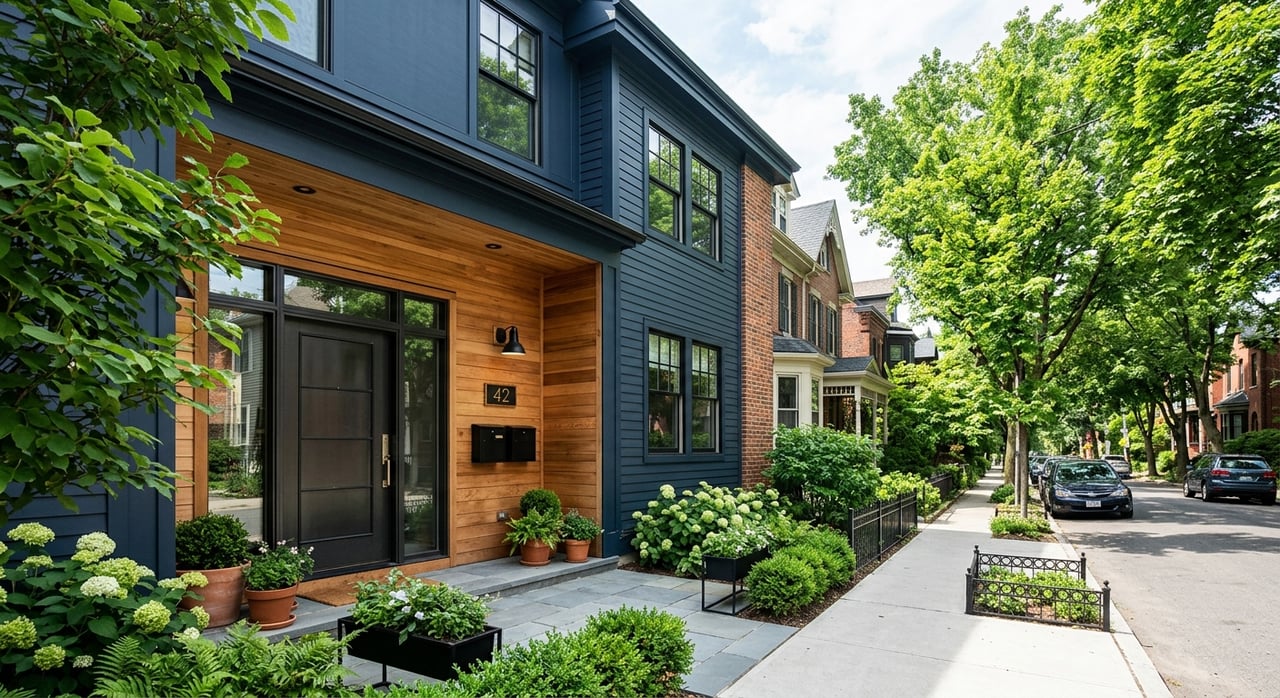
If you are eyeing Capitol Hill rental condos as an investment, it helps to know this is not a plug-and-play condo market. Capitol Hill can offer steady renter appeal because of its central location, walkability, and dense urban fabric, but the neighborhood also comes with older buildings, HOA oversight, and Denver licensing rules that can add real complexity. If you want to buy with fewer surprises, this guide will walk you through what matters most before you make an offer. Let’s dive in.
Why Capitol Hill Attracts Renters
Capitol Hill stands out as one of Denver’s densest residential neighborhoods. According to City planning materials, the area includes historic mansions, apartments, and newer high-rise condo buildings laid out on a traditional urban grid with tree-lined streets.
For renters, that often translates into a location-first decision. The neighborhood has restaurants, apartments, and office uses within walking distance of major corridors such as Broadway and 6th Avenue, which supports demand from people who want an urban lifestyle close to the center of Denver.
For you as an investor, that means Capitol Hill rental demand may be driven less by large lots, newer suburban-style amenities, or private garages. In many cases, the draw is the neighborhood itself, along with the convenience and character that come with it.
What Condo Inventory Looks Like
Capitol Hill is not a one-size-fits-all condo market. The Denver East Central Area Plan says the neighborhood is predominantly 60% multi-unit apartment buildings built between 1873 and 1925, with an average of 23 dwelling units per building.
That same plan highlights common building forms such as three-story walk-ups with shared entries, brick facades, minimal on-site parking, and a strong reliance on street parking. In practical terms, one Capitol Hill condo may be in a small older conversion, while another may sit in a newer, higher-density building with a very different ownership and maintenance profile.
Because of that, you should evaluate each building on its own merits. Age, parking setup, storage, common-area condition, and building systems can all shape the investment experience and the type of renter the unit may attract.
Historic Districts Can Affect Ownership
Capitol Hill includes a mix of historic districts, including Civic Center, Pennsylvania Street, Sherman-Grant, and Quality Hill, according to the East Central Area Plan. Part of the neighborhood also falls under a Historic Structure Use Overlay.
That matters because historic status can affect how exterior changes are handled. The city’s design review and standards guidance shows that exterior alterations for designated landmarks or historic-district properties may require review.
For an investor, this does not automatically make a property less attractive. It does mean that exterior projects may involve more coordination, longer timelines, and closer alignment with association and city requirements.
HOA Rules Can Shape Returns
Before you buy any Capitol Hill rental condo, the HOA documents deserve close attention. Under Colorado’s Common Interest Ownership Act guidance, associations may adopt rules governing common areas and, in some cases, unit use, including rental and leasing restrictions when allowed by the declaration.
That means you should not assume every condo can be rented without conditions. Some communities may have minimum lease terms, approval steps, rental caps, or occupancy restrictions written into the governing documents.
The same state guidance notes that amendments to use restrictions generally require at least a 67% vote unless the declaration says otherwise. Even so, the key takeaway is simple: you need to confirm current rules before closing, not after.
Denver Rental Licensing Is Not Optional
In Denver, long-term rental compliance goes beyond the HOA. The city requires a residential rental property license for any residential rental of 30 days or more.
To obtain that license, the property must pass an inspection by a qualified third-party inspector. The city also requires delivery of the Tenant Rights and Resources document when the lease is signed and when rent is demanded.
The license is valid for four years unless ownership changes, and it is not transferable. If you are buying an occupied or previously rented condo, that detail matters because a seller’s existing license does not simply carry over to you.
Short-Term Rentals Are Usually Off the Table
If your strategy involves nightly or weekly rentals, Capitol Hill condos are usually not the right fit for that plan. Denver defines short-term rentals as stays of 1 to 29 days and requires the property to be the host’s primary residence.
For a non-owner investor, that means a standard short-term rental model is generally not allowed. In most cases, your investment approach should be built around longer-term leasing, not vacation-style turnover.
This is one of the most important filters to apply early. If the numbers only work as a short-term rental, the property may not match Denver’s rules for an investor-owned condo.
Maintenance Takes More Coordination
Capitol Hill condo ownership often involves more moving parts than buyers expect. According to Colorado’s HOA FAQ, association boards typically oversee common-area maintenance, condo and townhome exteriors, insurance, budgets, assessments, covenant enforcement, and management agreements.
That structure can be helpful, but it also means your cost and maintenance experience is tied to the quality of the association. In an older building, reserve planning, deferred maintenance, and vendor coordination can have an outsized effect on future expenses.
Denver’s rental-license rules add another layer. The city notes that multiunit rental properties must have at least 10% of units inspected, which makes proactive upkeep and organized compliance especially important for absentee owners.
What Renters May Value Most Here
Capitol Hill has a different appeal than many newer condo submarkets. Based on the city’s neighborhood profile and building patterns, renters may be drawn to walkability, central access, character, and a more established urban environment rather than large amenity packages.
That makes practical features worth weighing carefully during due diligence. Parking, storage, laundry arrangements, building access, and shared-space condition may have a real effect on tenant experience, especially in older walk-ups with limited on-site parking.
In short, not every condo in Capitol Hill serves the same renter profile. A well-located unit in a well-run building can be compelling, but details at the property level matter a great deal.
Due Diligence Questions to Ask
Before you move forward on a Capitol Hill rental condo, make sure you can answer these questions clearly:
- Is the unit in a historic district or landmarked building, and would exterior changes require city review?
- Do the HOA’s CCRs or bylaws permit rentals, and are there rental caps, minimum lease terms, approval steps, or occupancy restrictions?
- Does the property currently have the required Denver rental license, and what will need to be updated after a change in ownership?
- Are parking, storage, and shared-space access a good match for the type of renter the building is likely to attract?
- Will you need support coordinating inspections, tenant paperwork, HOA communication, and ongoing maintenance?
These are not minor details. They can directly affect timeline, operating costs, leasing flexibility, and the amount of hands-on management your investment will require.
A Smart Long-Term View
Capitol Hill can make sense for investors who want long-term exposure to a central Denver neighborhood with durable renter appeal. Its mix of historic housing stock, multi-unit density, and walkable urban setting can support consistent interest from renters, but ownership often comes with more regulation and building-level nuance than newer condo inventory elsewhere.
That is why strong due diligence matters so much here. If you buy with a clear understanding of the building, the HOA, the licensing requirements, and the maintenance picture, you are in a much better position to hold confidently and operate smoothly.
If you want help evaluating a Capitol Hill condo from both an acquisition and operations standpoint, Michael Galansky offers concierge-level guidance backed by local market knowledge and property management support for investors who value clear oversight and long-term stewardship.
FAQs
What makes Capitol Hill in Denver appealing to condo renters?
- Capitol Hill draws renter demand because of its central location, walkability, dense housing stock, and access to restaurants, offices, and major corridors such as Broadway and 6th Avenue.
What types of condo buildings are common in Capitol Hill?
- Capitol Hill includes many older multi-unit buildings, including three-story walk-ups with shared entries, brick facades, minimal on-site parking, and some newer higher-density condo buildings.
What HOA rules should investors review before buying a Capitol Hill rental condo?
- You should review whether rentals are allowed and whether the HOA has minimum lease terms, rental caps, approval requirements, or occupancy restrictions in the governing documents.
What rental license is required for a Denver condo rental?
- Any residential rental in Denver of 30 days or more requires a residential rental property license, a passing inspection by a qualified third-party inspector, and required tenant-rights documentation.
Can investors use a Capitol Hill condo as a short-term rental?
- In most cases, no, because Denver requires a short-term rental property to be the host’s primary residence, which generally excludes non-owner investors.
Why does historic district status matter for Capitol Hill condo investors?
- Historic district or landmark status can affect exterior changes, because certain alterations may require city review and coordination before work can move forward.
What should absentee owners consider before buying a Capitol Hill condo rental?
- Absentee owners should plan for licensing, inspections, tenant paperwork, HOA coordination, maintenance oversight, and the possibility that professional property management may help simplify operations.